Henry Robecchi-E

Milan, April 5th 1827 – October 25th 1889, Ecouen

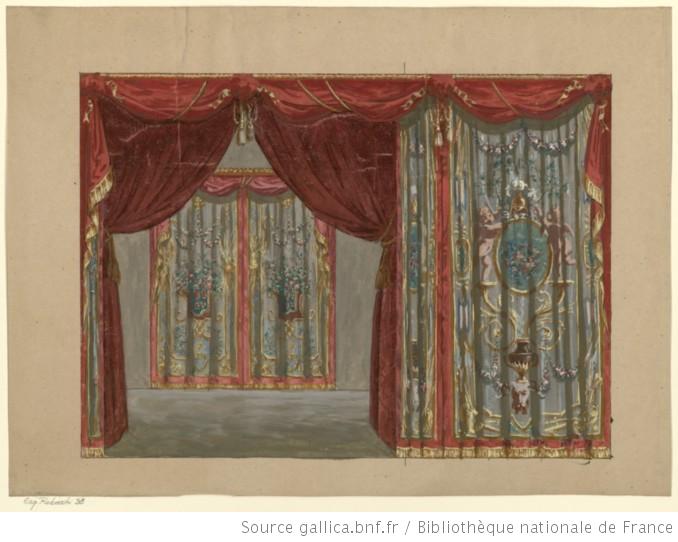
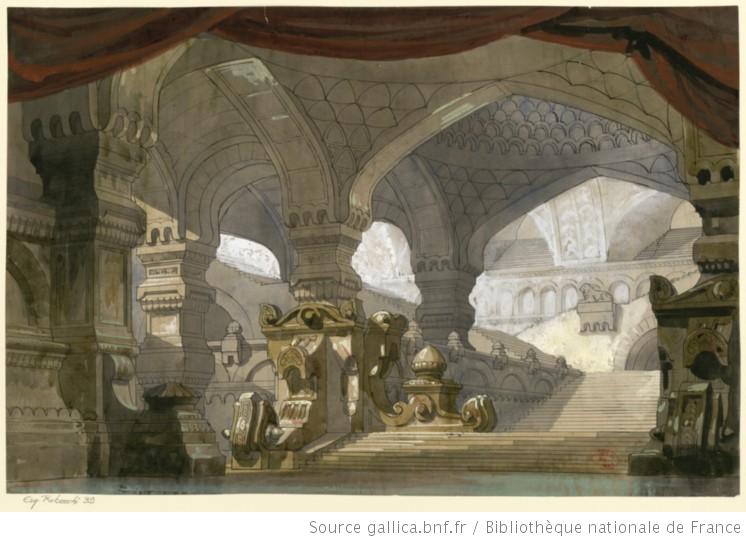
He became French and made his career in France as a decorative painter (Opera, Opéra-Comique, Comédie-Française, La Gaîté, Théâtre Lyrique, etc.). He had his studio on rue de Lauzun in Belleville. In 1859, while working for the direction of the theater in Soisson (Aisne), he executed a gouache project for a mural he intended to paint in the church of the faubourg Saint-Waast: « The Baptism of Clovis« .
On September 21, 1872, Henry Robecchi, painter, and Germaine Peviani, his wife, acquired a house in the rue de la châtaigneraie, a first floor divided into seven rooms, with a right of way on the small square in front of the house.
From January 1, 1890, Henry Robecchi granted the Butel et Valton company, for the creation of sets, a lease for a large workshop and outbuildings, 9-11, rue de Lauzun, in Paris, for nine years in return for a rent of 6,000 F per year. On July 21, 1898, a judgment of seizure is exercised against them.
Robecchi is the father-in-law of Charles Edouard Frère who married his daughter, Giulia Augustina Maria Robecchi. Henry and Giulia Robecchi are buried in the Frère family grave (father and son).


For further information, please read the book “L’Ecole d’Ecouen, une colonie de peintres au XIXe siècle” (bilingual French-English).
Jules Paulin Lorillon-E

Paris 7°, March 6th 1836 – January 23rd 1912, Paris 10°

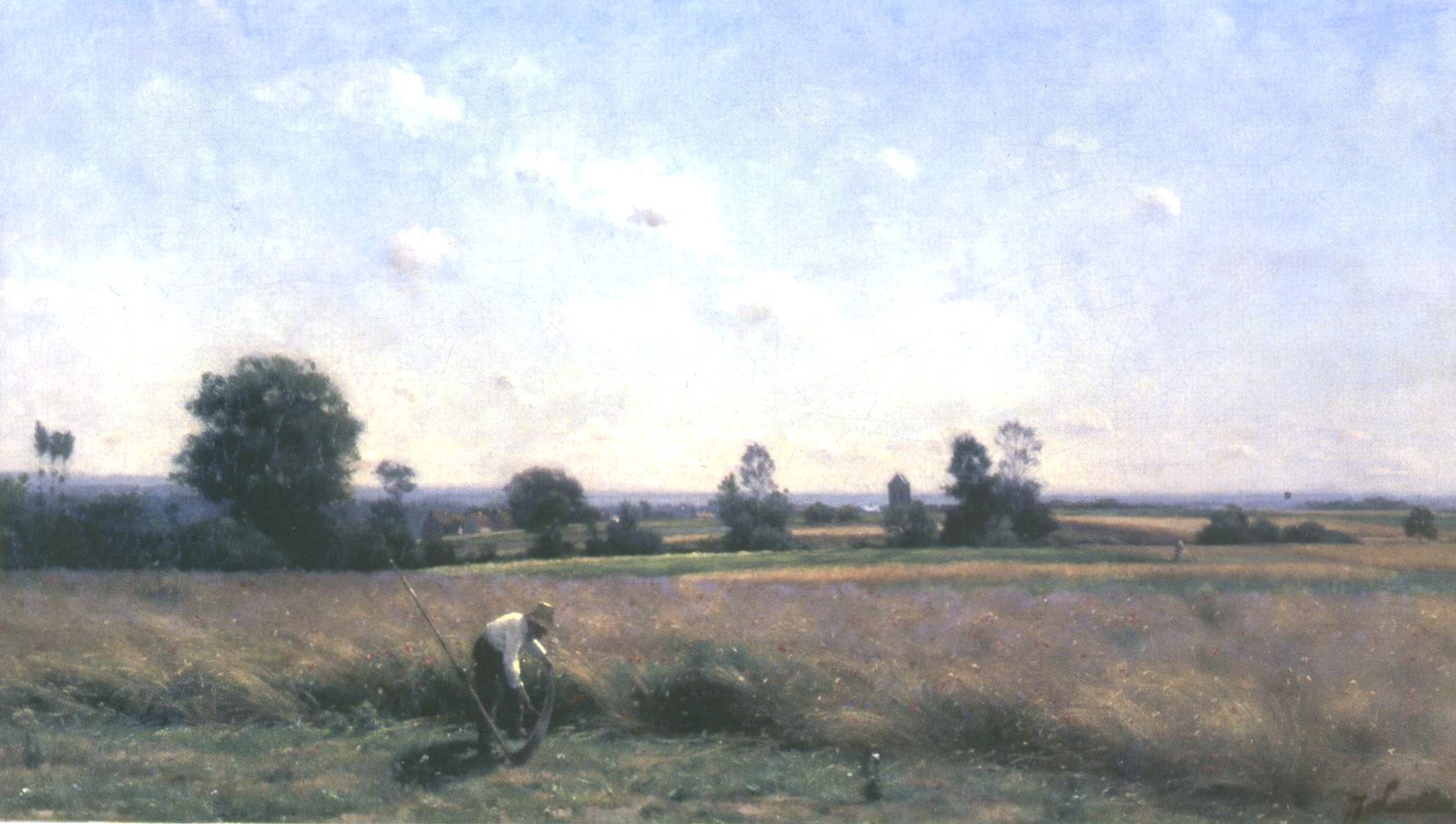
His situation as a Parisian jeweler at 12 Boulevard Magenta seems to indicate that an artistic career was not Jules Paulin Lorillon’s first vocation. However, he became interested in painting late in life and became a student of two landscape painters: Adrien Jacques Sauzay and Alexis Daligé de Fontenay.
In 1881, when he was 45 years old, he exhibited for the first time at the Paris Salon with his painting « Wheatfields in Auvers« . He exhibited again in 1882 and 1885 and again at the 1887 and 1888 salons, where he made his last appearance.
He moved to Ecouen on August 14, 1890. He acquired a property near the castle for the sum of 41,500 francs, with its vast shady park, covering an area of 1 hectare and 9 acres (today Charles-de-Gaulle Park) in the street named after his son. From then on, he divided his time between his home in Ecouen, his Parisian apartment and the house he owned in Beaulieu-sur-Mer.
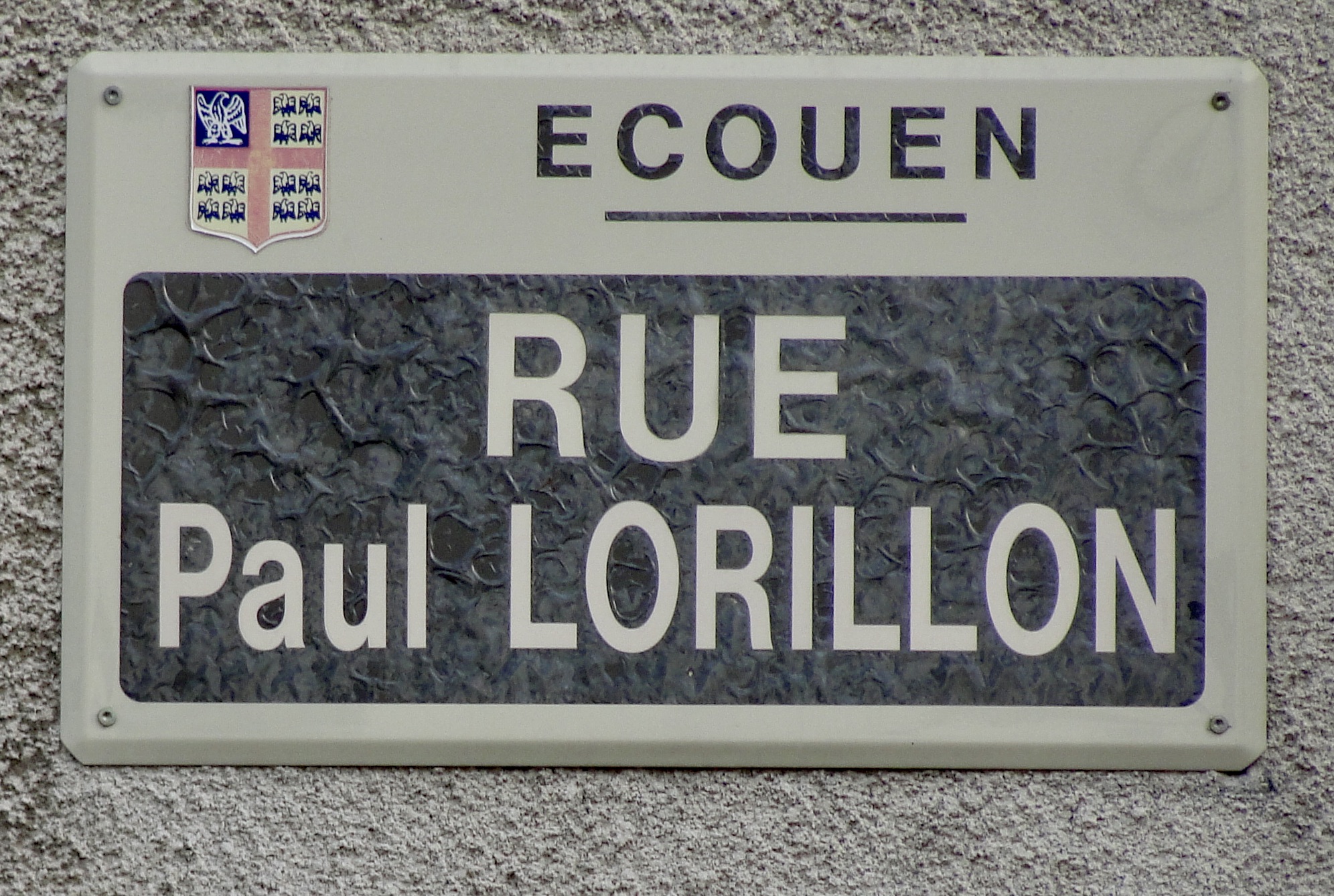
The municipal archives of Ecouen testify to his interest in the village and the way he integrated. From his marriage was born Paul Jean-Baptiste, an industrialist who died on October 23, 1926 in Ecouen. In his will, he left an annuity of 3,600 F to his maid to maintain her grave in the Passy cemetery and bequeathed 100,000 F to the charity office. In recognition of this, the council decided to give his name to a street in the village.


For further information, please read the book “L’Ecole d’Ecouen, une colonie de peintres au XIXe siècle” (bilingual French-English).
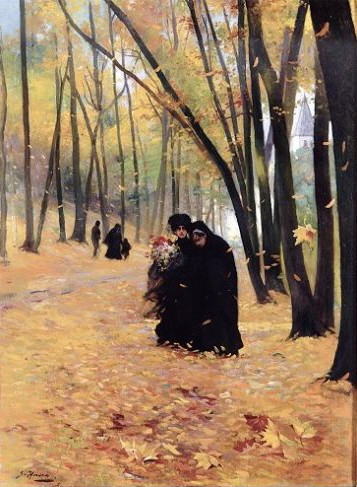
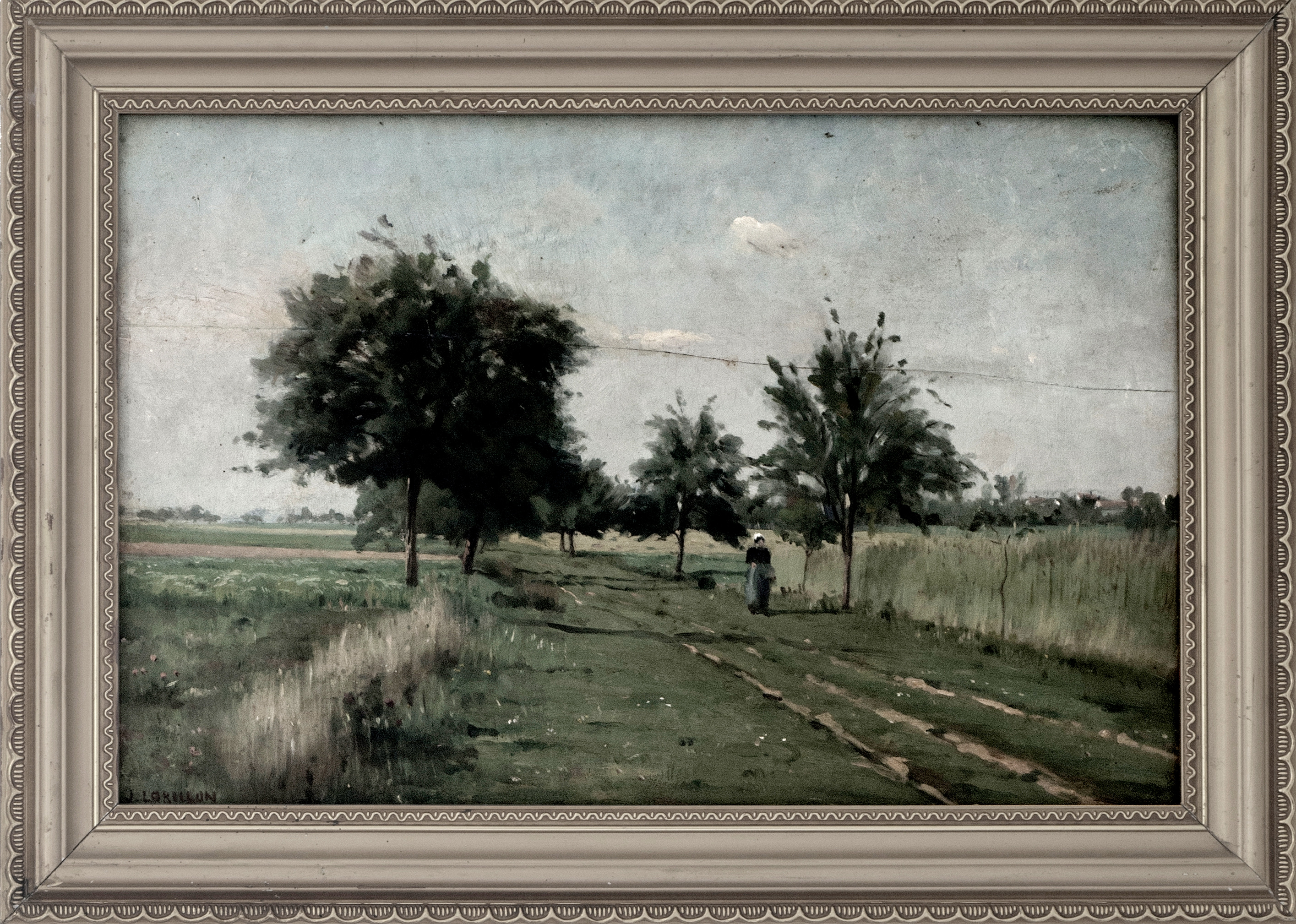
J.P. LORILLON_Lady on a trail
Lorillon street sign

Louis Simon Lassalle (Louis Simon Cabaillot, said)

Paris 7°, May 24th 1808 – September 2nd 1885, Ecouen

Son of Louis Joseph Cabaillot and Lazarette Bardoux, Louis Lassalle, since it is under this pseudonym that he is known, is in fact called Cabaillot. After having followed the lessons of Pierre Paris and Louis Charles Lucien Müller, he began his career as a draughtsman and lithographer, and illustrated a considerable number of works, several hundred, in all genres from 1828 to 1854. He lived in Paris at 9, rue Bochart-de-Saron and came to Écouen quite late, in 1878, where he died in 1885. In the meantime, he had married Héloïse Félicité Frin and had a son who was a painter.
His first Salon was in 1850, where he presented three paintings that earned him compliments from the art world and earned him a place in the Salon until his last days. In addition, he received commissions from the government for which he painted « Floods of 1856 in Tarascon« , where Napoleon III had visited. He was even honored by the Queen of England who bought, in 1855, a fan by Jean-Pierre Duvelleroy whose leaf was painted by him, and which depicts Her Majesty Empress Eugenie, then a child, doing charity work.

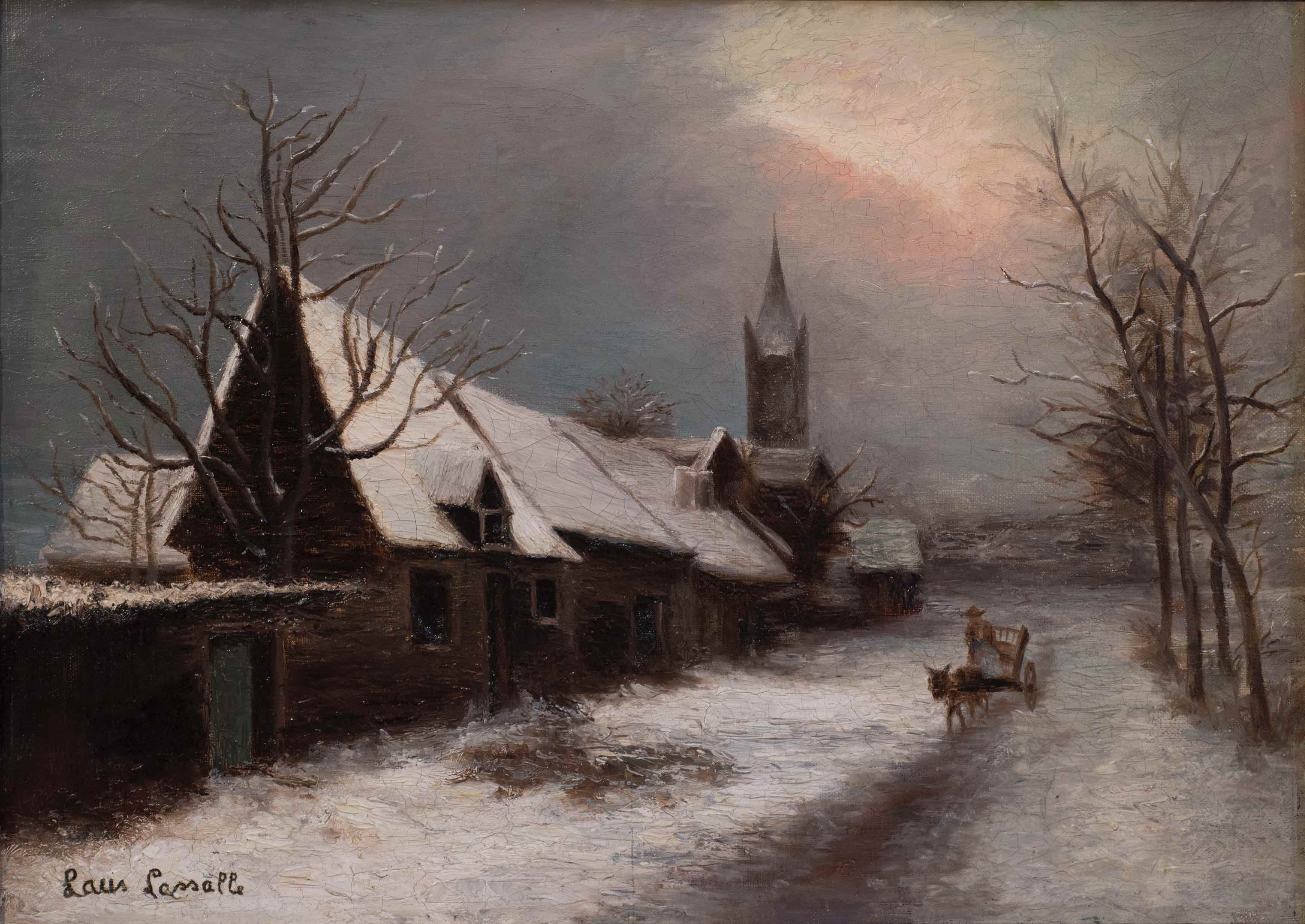
It was under the influence of Pierre Édouard Frère that he turned to genre painting, with a particular talent for representing young children at play. His notoriety attracted students to him, including Paul Louis Soutif, who exhibited at the Paris Salon in 1870. Lassalle himself participated in the Salon until his death, with « Departure for the Harvest« . He liked to reproduce the effects of snow. He often painted it.
His signature is found at the bottom of a manifesto of 1862, next to other painters such as Dominique Ingres, Louis Isabey or Pierre Puvis de Chavannes, to protest « against any assimilation that could be made of photography to art« . Our artist, like many others, does not see eye to eye with this new technique that seems to want to compete with painting. History has not proven them right! 


For further information, please read the book “L’Ecole d’Ecouen, une colonie de peintres au XIXe siècle” (bilingual French-English).
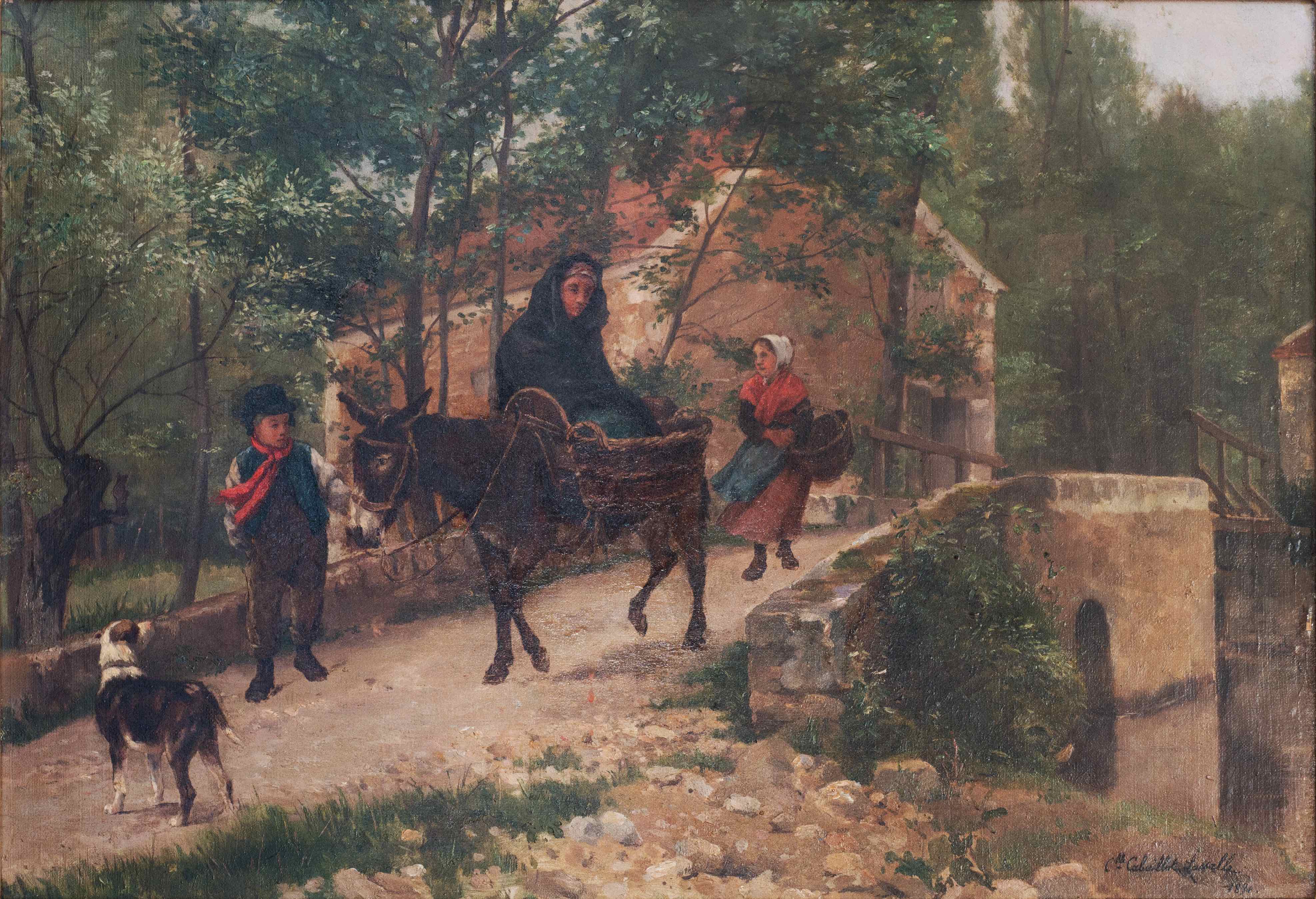
Woman on a donkey, on a bidge
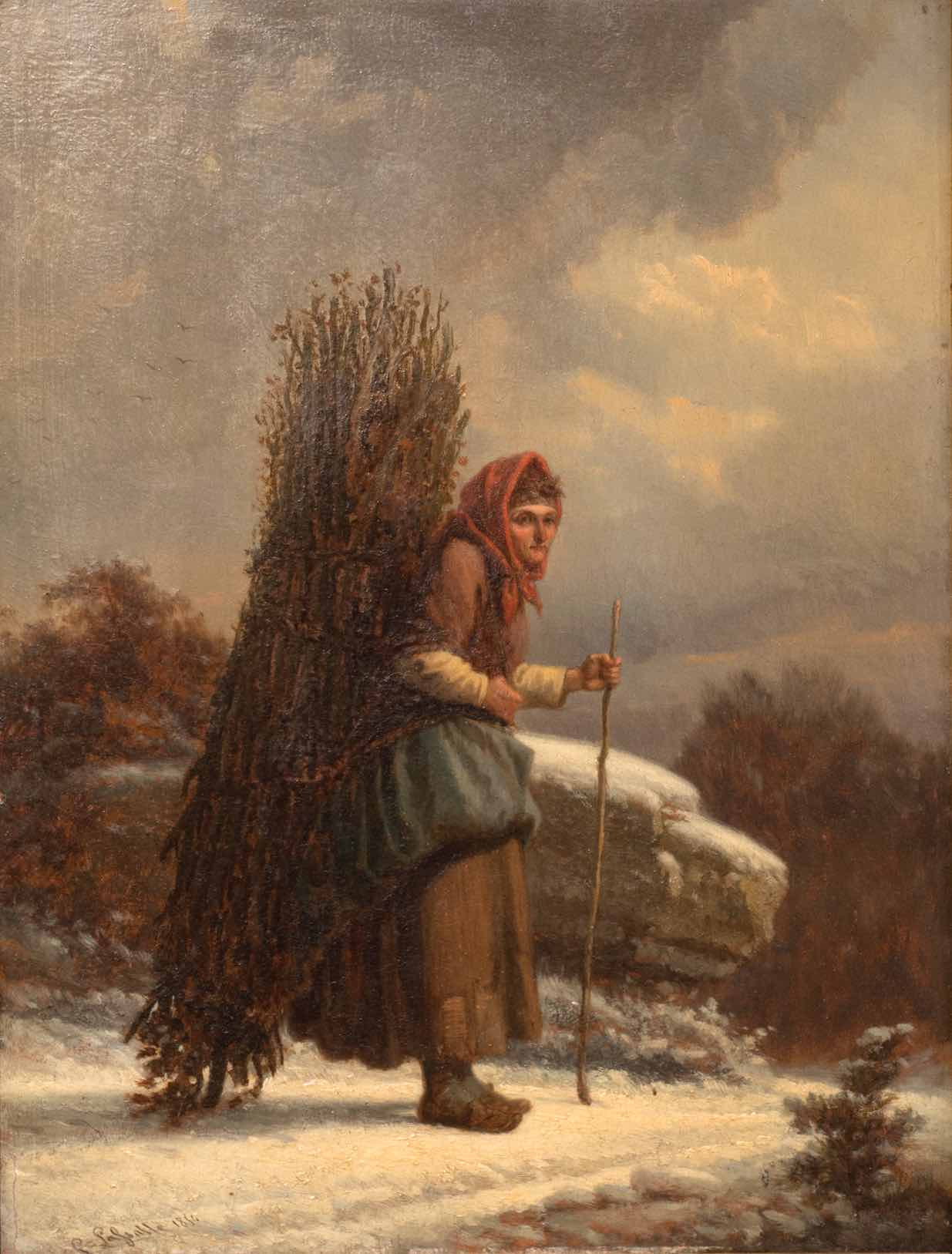
Woman with faggots
Winter view of a village
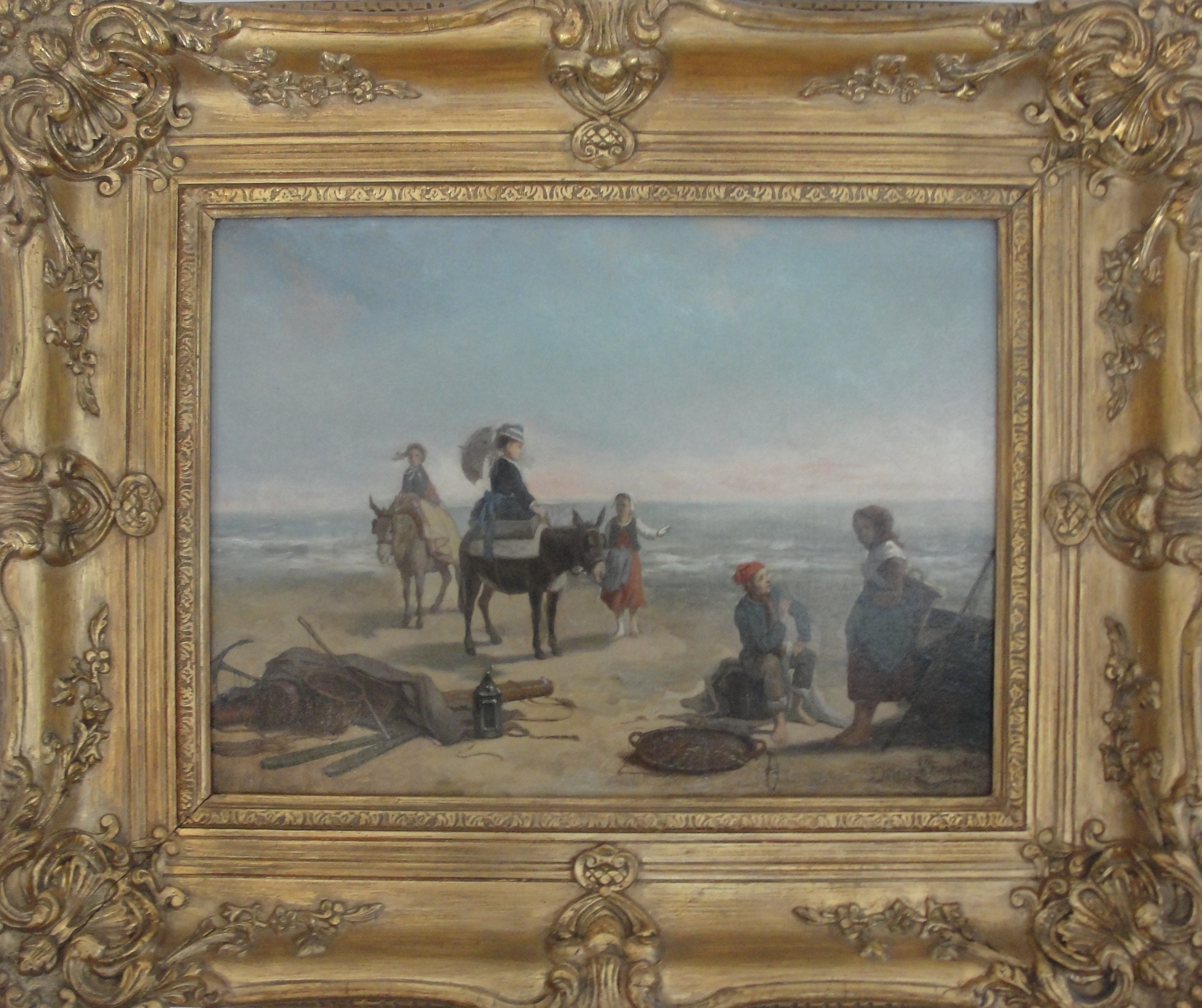
The Etretat beach

Edouard Charles Hugot-E

Coulange-la-Vineuse, February 6th 1815 – unknown time and location

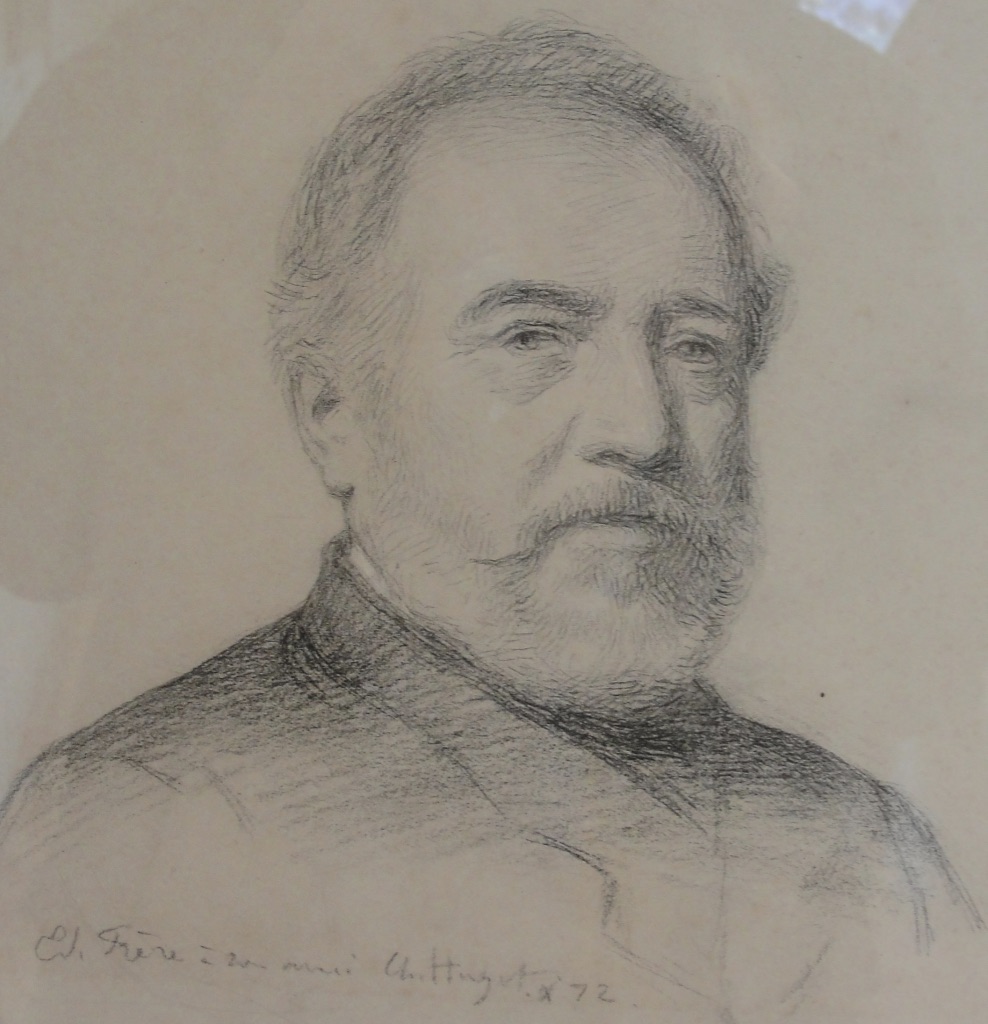
When he moved to Ecouen, he became a student of Thomas Couture and quickly became famous for his watercolors and etchings. He also excelled in lithography. Twenty-four of his compositions show the Paris-Amiens railway line. Many of his works appear in the inventory of the French collection after 1800 (Department of Prints), with numerous plates of monuments of the Oise, the Aisne and the Somme Counties in particular.

But his works are not limited to these achievements. He also presented at the Paris Salon, between 1835 and 1880, portraits, still lifes, genre scenes and paintings made from historical themes, such as the « Reformist Banquet of Amiens » (before the revolution of 1848), « The Invasion of 1814″ or « Costumes of the time of Louis XIII« .
His presence in Ecouen is doubly attested, in 1864, by a deed of sale of a seven-room property at 1, rue de la Châtaigneraie (now rue Emmanuel Duverger). This house had been a school and a town hall, and cost him 6,500 francs. His name also appears in an article in « The Petit Journal » which relates the funeral convoy of Madame Todd which he attended in 1870.

For further information, please read the book “L’Ecole d’Ecouen, une colonie de peintres au XIXe siècle” (bilingual French-English).
Gaston Paul Haag-E

Ecouen, May 1st 1877 – June 18th 1931, Ecouen

Gaston Haag belongs to a great family of painters, since he is the son of Jean-Pierre Haag and the son-in-law of Pierre Théophile Thomas, (he married his daughter, on November 17, 1910, Aline Augustine Suzanne, born in Paris XI, on January 9, 1883), both painters of the Ecouen School.

He painted his first canvases in 1896 but does not appear to have exhibited at the Paris Salon. His brother, Maurice, was a decorator and his best man at his wedding. We know of few paintings by him. The collection of the town hall of Ecouen has one: « Promeneur dans le bois d’Ecouen« , dated 1898. The artist died on the Place Jean-Le-Vacher, in the town of his birth.
Haag fils proposed to donate one of his works to the city council, which accepted unanimously.


For further information, please read the book “L’Ecole d’Ecouen, une colonie de peintres au XIXe siècle” (bilingual French-English).