Mary Louisa Stone E

New York, April 23rd 1839 – New York, October 2nd 1927

Mary L. Stone is born in New York, in a very wealthy family. Her father, Joel Stone, was a very successful importing and commission merchant in New York City. The family lived on Barclay Street in Downtown New York. MLS had three brothers, all older than she. Joel was born in 1827 and went into business in England. Charles Francis Stone (1834) went to Harvard, traveled in Europe and became a lawyer at G B’s Oxford University branch in NYC. He was lawyer and financier for Thomas Edison (1847-1931) among others. He and his family are reported to be very social and to entertain lavishly. Robert Stone (1838) studied medicine and moved to California as Medical Doctor.
In 1844, following the death of Mary L. Stone’s father, her mother moved to Nice (at that time Kingdom of Sardinia) with her three children to join her brother who was US Counsel.
Mary L. Stone mother went back to the US at some point and, upon her death in Mass, in 1854, Mary was sent to the progressive, exclusive prep school “Miss Porters School” in Farmington CT. For information, Jacqueline Bouvier (1929-1994), becoming US First Lady later, studied in this school.

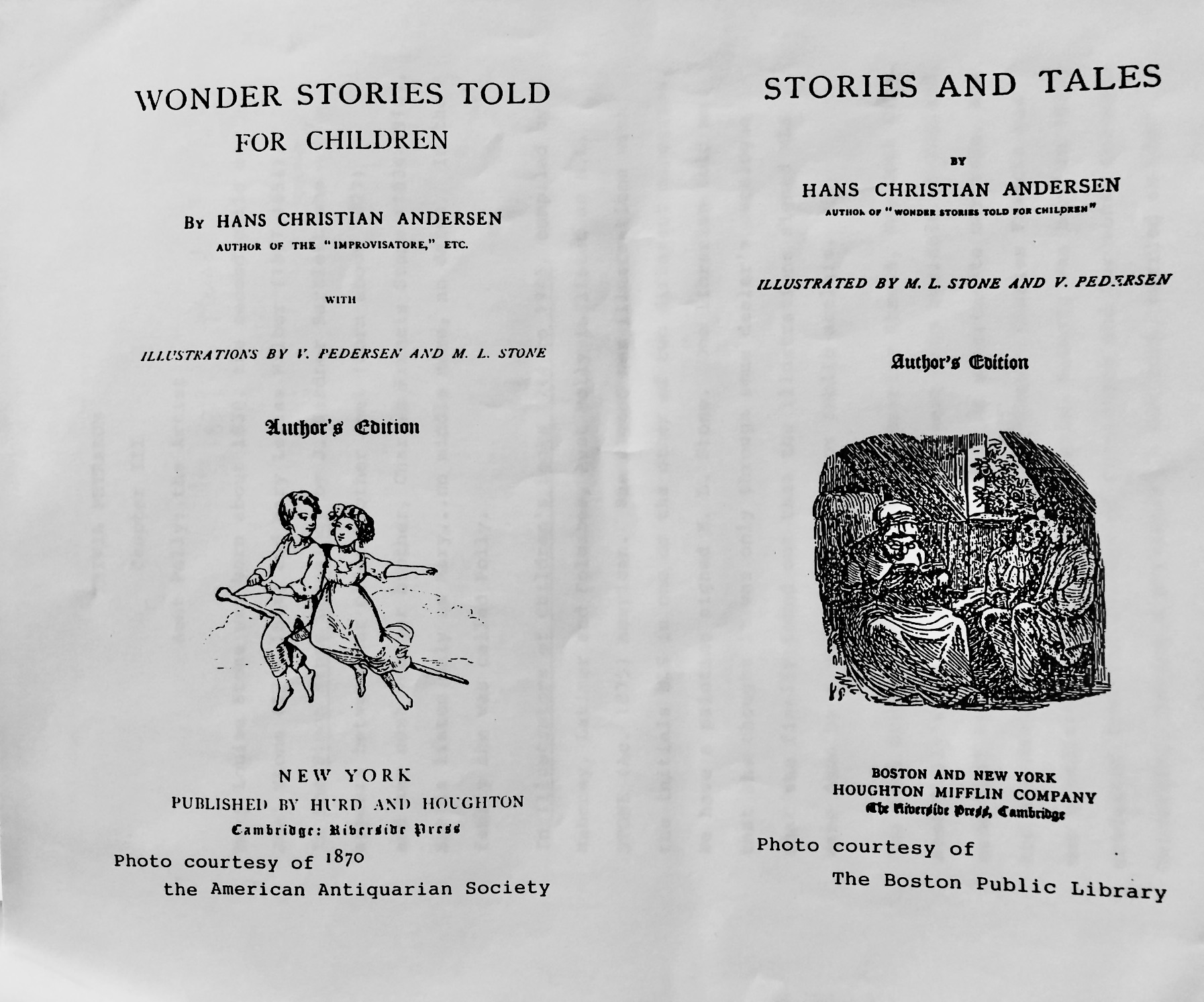
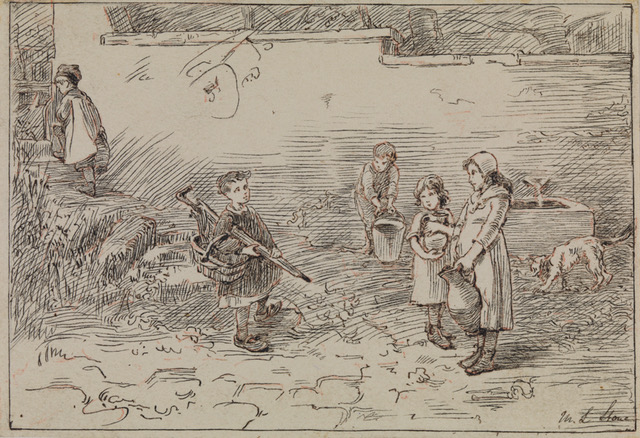
Mary L. Stone illustrated at least nine children books. She was included in the 1870 editions of Riverside Magazine. Along drawings of Wilhelm Pedersen (1820-1859), she illustrated two US editions of Hans Christian Andersen (1805-1859).

Mary L. Stone hired a studio on the third floor of a NYU (New York University) building, home of the “National Academy of Design”. The male artists may have raised an eyebrow at a woman renting a studio but, her association with Edwin White (1817-1877), her teacher, granted her legitimacy.
At first glance, her placement on the third floor might be interpreted as an effort to contain women in one area but it’s more likely that she chose the studio because it was next door to that of her teacher. In doing so, she followed the footsteps of artists like Daniel Huntington (1816-1906), student and University Building neighbor of Samuel F.B. Morse (1791-1872) who twice served as President of the National Academy of Design.

During the 1868 – 1870 period, Mary L. Stone became quite successful. “The Ladies Repository”, a Universalist publication, praised her work in 1868, the year she left her studio in the University Building: “Miss Stone has a great deal of fancy, an excellent eye for grouping and composition, and is rarely at fault in drawing the human figure”.
The same year, in 1868, in an article named “History of Greenwich Village” from the NYU newspaper, it is said that she left for some times in Ecouen, France. We guess she stayed there until the 1870 war but we have no proof for it.

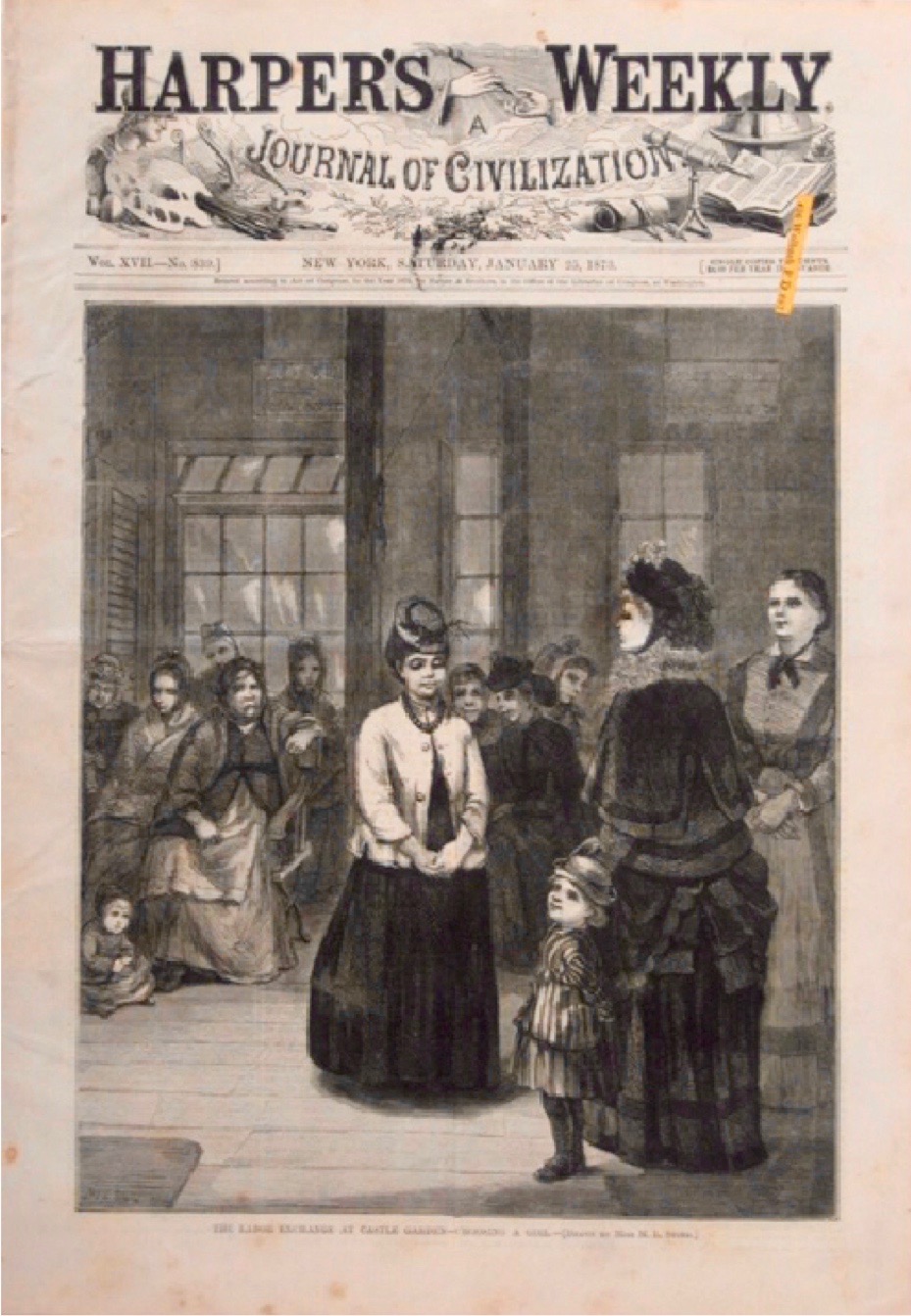
Her illustrations of reconstruction-era North Carolina were published in Harper’s Weekly in 1873. Five years later, in 1878, the writer and artist Horace J. Rollin (1845-1935) named Mary L. Stone alongside Mary Cassatt in a list of women artists “who are worthy of special mention” in his “Studio, Field and Gallery: A manual of painting for the student and amateur”. In 1878, she moved to the Artists Colony at Ecouen, France.

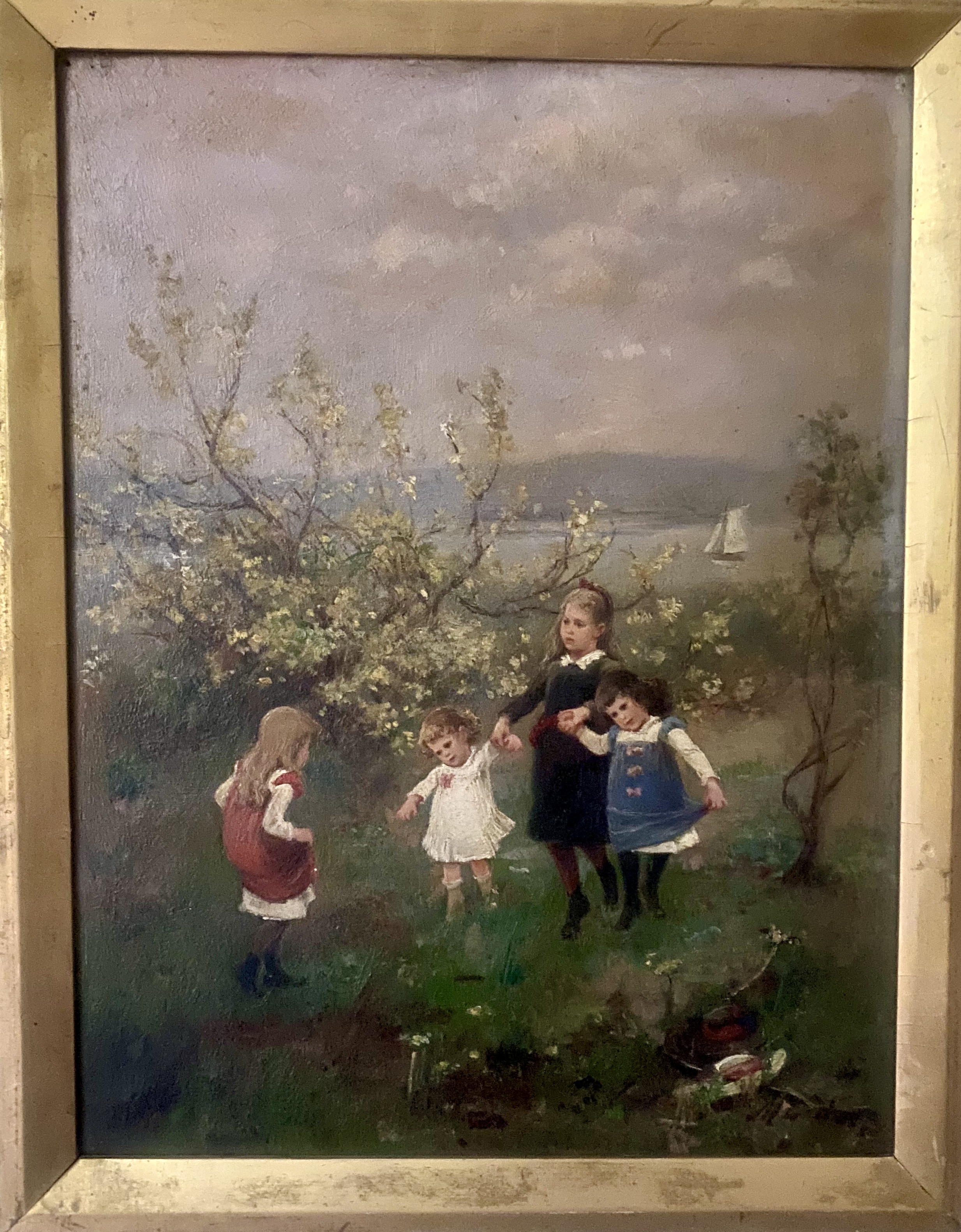
Mary L. Stone exhibited in Salon de Paris with, in 1878 a watercolor « La malle de Grand-père », in 1879 a painting “L’Angelus”, in 1880 a painting « Les enfants du village » and in 1881 a watercolor « Le repos ».

In 1880, her brother, Charles Francis Stone, bought a twenty rooms house belonging to the son of the illustrator John James Audubon (1785-1851) and had a tower built for her on its top floor. Charles Francis Stone was the head of a large family including nine children. Within her family, Mary was called “Aunt Polly”.

In 1881, when Cornelia Conant and Mary L. Stone were together in Ecouen, France. In February of this year, they write in their travel book: “A lot of treasures like antic tapestries, fantastic furniture, bronze art pieces and original China pieces”. All of these objects have been destroyed by the Prussians during the 1870 war.
The same year 1881, a New York Times reporter visited the colony and wrote that “A large number of Miss Stone’s paintings have found their way to America and have done much both there and abroad toward upholding the reputation of that country for producing artists of ability”.

In 1885, Cornelia Conant’s ten pages article about her visit with Mary L. Stone to Ecouen were published in the Harpers New Monthly.

Back in New York, Mary L. Stone lived on 12th Street and 5th Avenue not far from where Cornelia Conant lived in Brooklyn.

In 1895, she became involved in founding with Victoria Earle Matthews (1861-1907), born into slavery, to start an educational organization called “The White Rose Mission for Working Colored Girls”. Board meetings were held in the Mary L. Stone house. She remained a benefactor and patron and, when she was eighty years old, she became president of the White Rose Society.

She has never been married and had no children.

On October 4th 1927, her funeral took place in St. George’s Episcopalian Church in New York City. The negro choir sang the service, ending it with an old spiritual “Swing Low Sweet Chariot”.
She is buried close to her brother, in the beautiful Greenwood Brooklyn cemetery (lot 2470, section 22).

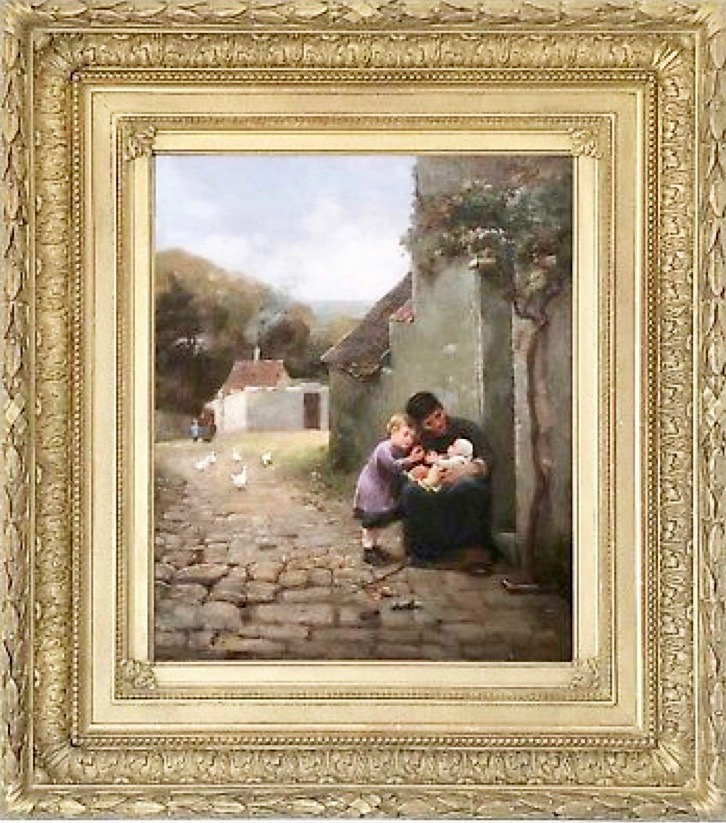
In 2019, a Mary L. Stone painting of mother and children in Normandy (France) was sold as auction and provenance was excellent, according to prestigious gallery Thomas Agnew & Son, London.

Mary L. Stone was a woman who directed her own career. For the past century, though, her name has been omitted from the lists of artists’ names who lived in the University building. It is time for that to change. In the twenty-first century, it is time to replace Mary L. Stone among her historical contemporaries.

For further information, please read the book “L’Ecole d’Ecouen, une colonie de peintres au XIXe siècle” (bilingual French-English).
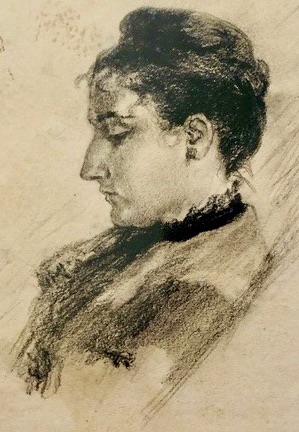
Young Mary drawn by Mary Hallock
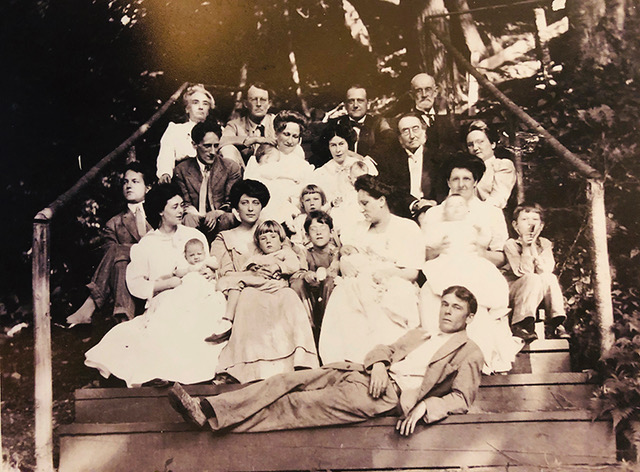
 Mary L. Stone 80 years old party (third row on the left)
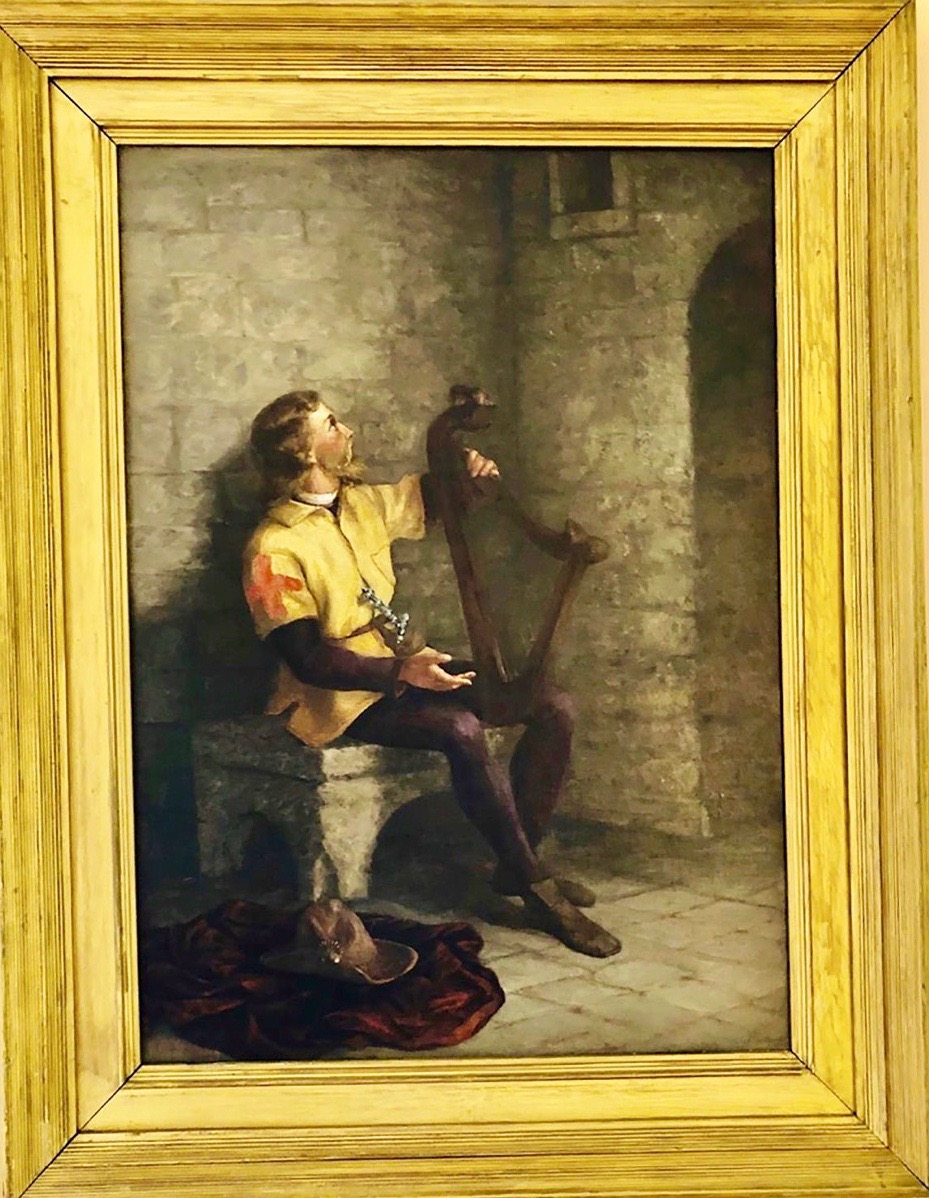
Blondel singing to Coeur de Lion
 Young mother with children in Normandy
 In the Audubon park
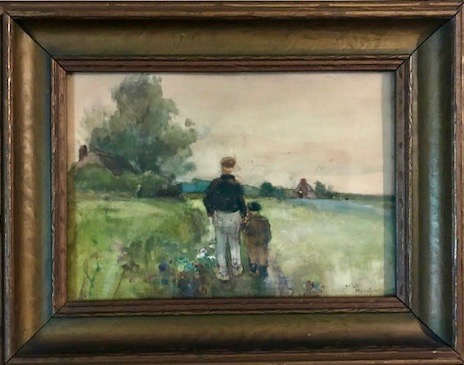
Nuspreet (Holland)
Andersen books
 Illustration from Andersen book
Harper's weekly magazine

Mary Louisa Stone

New York, 23 Avril 1839 – New York, 2 Octobre 1927

Mary L. Stone est née à New York dans une famille très aisée. Son père, Joël Stone, était un important importateur mandataire à New York City. La famille vivait sur Barclay Street, dans le bas de la ville. Elle était la dernière de quatre enfants, ayant trois frères plus âgés qu’elle : Joël, né en 1827 qui s’établit en Angleterre, Charles Francis, né en 1834 qui voyagea en Europe, étudia à Harvard et devint un avocat à la « G B’s Oxford University branch » de New York. Parmi ses clients, il avait Thomas Edison (1847-1931) qu’il aida financièrement dans ses recherches très fructueuses concernant l’électricité. Sa famille et lui menaient grand train dans la Haute Société. Ensuite vint Robert, né en 1838, qui étudia la médecine puis s’installa comme médecin en Californie.
En 1844, suite au décès du père de Mary L. Stone, sa mère s’installa à Nice (à cette époque appartenant au Royaume de Sardaigne) avec ses trois enfants pour rejoindre son oncle qui y était en poste comme Consul des États-Unis.
La mère de Mary L. Stone revint aux US et, peu après son décès dans le Connecticut en 1854, Mary fut envoyée dans la très prestigieuse « Miss Porter’s School » de Farmington, très chic école de cet état. Pour information, Jacqueline Bouvier (1929-1994), future Première Dame des États Unis, a également étudié dans cette école.

Dans les années 1860, Mary L. Stone illustra au moins neuf livres d’enfants. En 1870, elle intégra les éditions du « Riverside Magazine ». Elle illustra, au côté de dessins de Wilhelm Pedersen (1820-1859), deux éditions américaines des livres de Hans Christian Andersen (1805-1875).

En 1863, Mary L. Stone loua un studio au troisième étage d’un immeuble de NYU (New York University), abritant la « National Academy of Design ». L’installation d’une femme en ces lieux était surprenante. Les résidents, tous masculins, eurent une réaction très réticente mais le soutien de son professeur, Edwin White (1817-1877), l’aida à y justifier sa présence.
Un article dans « Greenwich Village History Interesting People, Interesting Places » indique que, jusqu’en 1860, les femmes n’étaient pas admises dans la bibliothèque de l’université. Aucune mixité n’était admise entre les étudiants et dans les parties communes.
A première vue, on peut penser que son installation au troisième étage correspondait à un désir de contingenter les femmes dans une seule partie du bâtiment mais, en fait, il semblerait qu’elle ait choisi cet emplacement car il était voisin de celui de son Professeur, Edwin White. En ceci, elle suivait les pas d’artistes comme Daniel Huntington (1816-1906), étudiant à l’université et voisin de Samuel F. B. Morse (1791-1872) qui fut, par deux fois, président de la « National Academy of Design ».

Durant les années 1868 – 1870, Mary L. Stone eut un succès non négligeable.
En 1868, année où elle quitta son studio de NYU, une publication universitaire, The Ladie’s Repository, fit la promotion de son travail en écrivant : « Mlle Stone montre beaucoup de fantaisies et un œil exercé pour assembler une composition et se trompe rarement dans la reproduction d’une figure humaine ».
Cette même année 1868, dans un article appelé « History of Greenwich Village » de la revue de NYU, il est indiqué qu’elle partit pour s’installer quelques temps à Écouen.
Il parait probable que Mary L. Stone y séjourna jusqu’au début de la guerre de 1870 mais nous n’en avons aucune preuve.
En 1873, le Harper’s Weekly Magazine publia ses illustrations concernant la période de reconstruction de la Caroline du Nord.
Cinq années plus tard, l’écrivain et artiste Horace Judson Rollin (1845-1935), dans son livre « Studio Field and Gallery Manual of Painting : A manual of painting for student and amateur », nomma Mary L Stone, au côté de Mary Cassatt, comme méritant une mention spéciale dans la liste des artistes féminines. Peu de temps ensuite, en 1878, elle retourna rejoindre la Colonie des peintres d’Écouen.

Mary L. Stone exposa, au Salon de Paris, en 1878 une aquarelle « La malle de grand-père« , en 1879 une toile « L’Angélus », en 1880 une toile « Les enfants du village » et en 1881 une aquarelle « Le repos« .

En 1880, elle vivait chez son frère, Charles Francis Stone. Il aménagea une tourelle pour Mary dans une maison de vingt pièces. John James Audubon (1785-1851) l’avait fait construire pour son fils. Charles Francis Stone était à la tête d’une grande famille incluant neuf enfants. Dans la famille Stone, Mary, était appelée « Aunt Polly » (Tante Polly).

En 1881,  Cornelia Conant (env. 51 ? – 1935) et Mary L. Stone étaient ensemble à Écouen. En février de cette même année, elles écrivirent, dans leur livre de voyage : « nous voyons de nombreuses belles choses, comme des tapisseries anciennes, de fantastiques meubles, des bronzes, des porcelaines chinoises originales ». Toutes ces belles choses ont été détruites par les Prussiens pendant la guerre de 1870.

Cette même année 1881, un journaliste du New York Times écrivit : « Une grande quantité de peintures de Mary L. Stone fut expédiée en Amérique ce qui a grandement aidé pour faire reconnaitre, des deux côtés de l’Atlantique, la réputation de ce pays à produire des artistes de qualité ».

En 1885, Cornelia Conant publia 10 pages dans le magazine « Harper’s New Monthly » concernant sa visite à Écouen en compagnie de Mary L. Stone.

De retour à New York, Mary L. Stone habita sur 12th Street and Fifth Avenue South, proche de Cornelia Conant qui vivait à Brooklyn.
En 1895, elle créa, avec Victoria Earle Matthews (1861-1907), née en esclavage, une organisation éducative appelée « The White Rose Mission for Working Colored Girls ». Les réunions de direction se tenaient dans la maison de Mary L. Stone. Elle a toujours été membre bienfaitrice et l’année de ses quatre-vingt ans, elle devint présidente de « White Rose Society ».

Elle n’a jamais été mariée et n’a pas eu d’enfant.

Les Funérailles de Mary L. Stone, le 4 octobre 1927, se sont déroulées en l’église St. George Episcopalian de New York. Une chorale noire a chanté, durant le service, un vieux negro spiritual bien connu : « Swing low sweet chariot ».
Elle est enterrée près de son frère, au cimetière Greenwood de Brooklyn (lot 2470, section 22).

En 2019, un tableau en bon état de Mary L. Stone, peint en Normandie, représentant une femme et ses enfants, a été vendu par la prestigieuse galerie londonienne Thomas Agnew & Son.

Mary L. Stone était une femme qui avait pris en mains sa propre carrière. Cependant, durant tout le siècle passé, son nom a été oublié d’être mentionné dans la liste des artistes ayant vécu dans l’enceinte de l’Université.
Il est temps, au XXIème siècle, de replacer Mary L. Stone parmi les plus grands artistes de son époque.

Pour plus d’informations, nous vous invitons à lire le livre « L’Ecole d’Ecouen – une colonie de peintres au XIXe siècle »

Portrait jeune par Mary Hallock
 Les 80 ans de Mary L. Stone (au dernier rang, à gauche)
 Blondel chantant pour Coeur de Lion
 Jeune mère et enfants en Normandie
À Audubon park
 Livres d'Andersen
 Illustration livre d'Andersen
 Harper's weekly magazine
 Nuspreet (Hollande)

Charles Theodore Frère E

FRERE Charles Théodore, said FRERE BEY (Paris, June 21st 1814 – May 24th 1888, Paris).

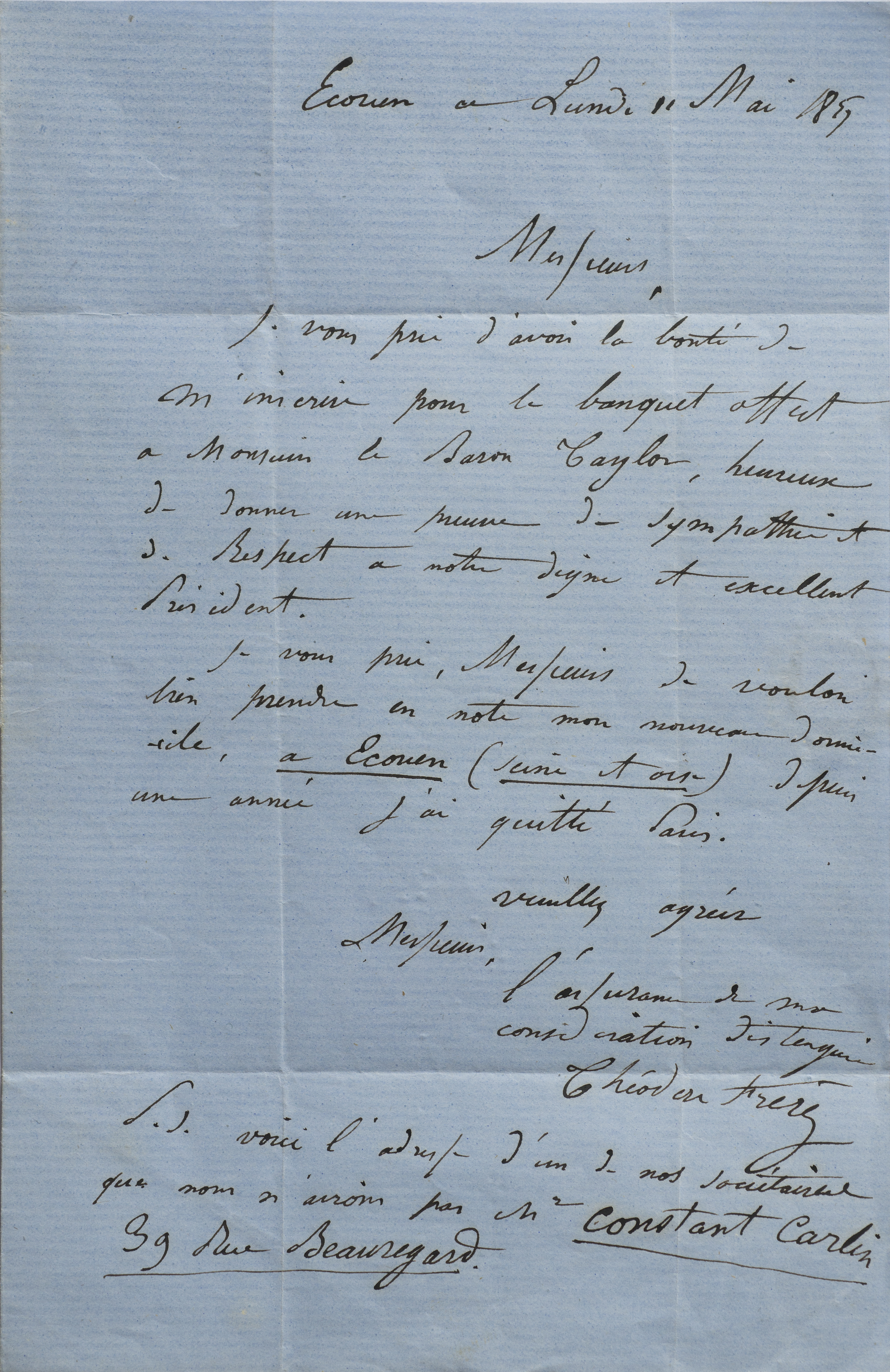
Elder brother of Pierre Édouard Frère, he is one of the greatest orientalist painters of the time. He stayed in Écouen. In a letter of 1855, he said he lived in the Soyer house. In 1857, he wrote from the commune to Adolphe Beugniet, the art dealer. He painted a few works of genre painting there, before moving to Montmorency (Val d’Oise), and finding his artistic path in the Middle East.

For further information, please read the book “L’Ecole d’Ecouen, une colonie de peintres au XIXe siècle” (bilingual French-English).
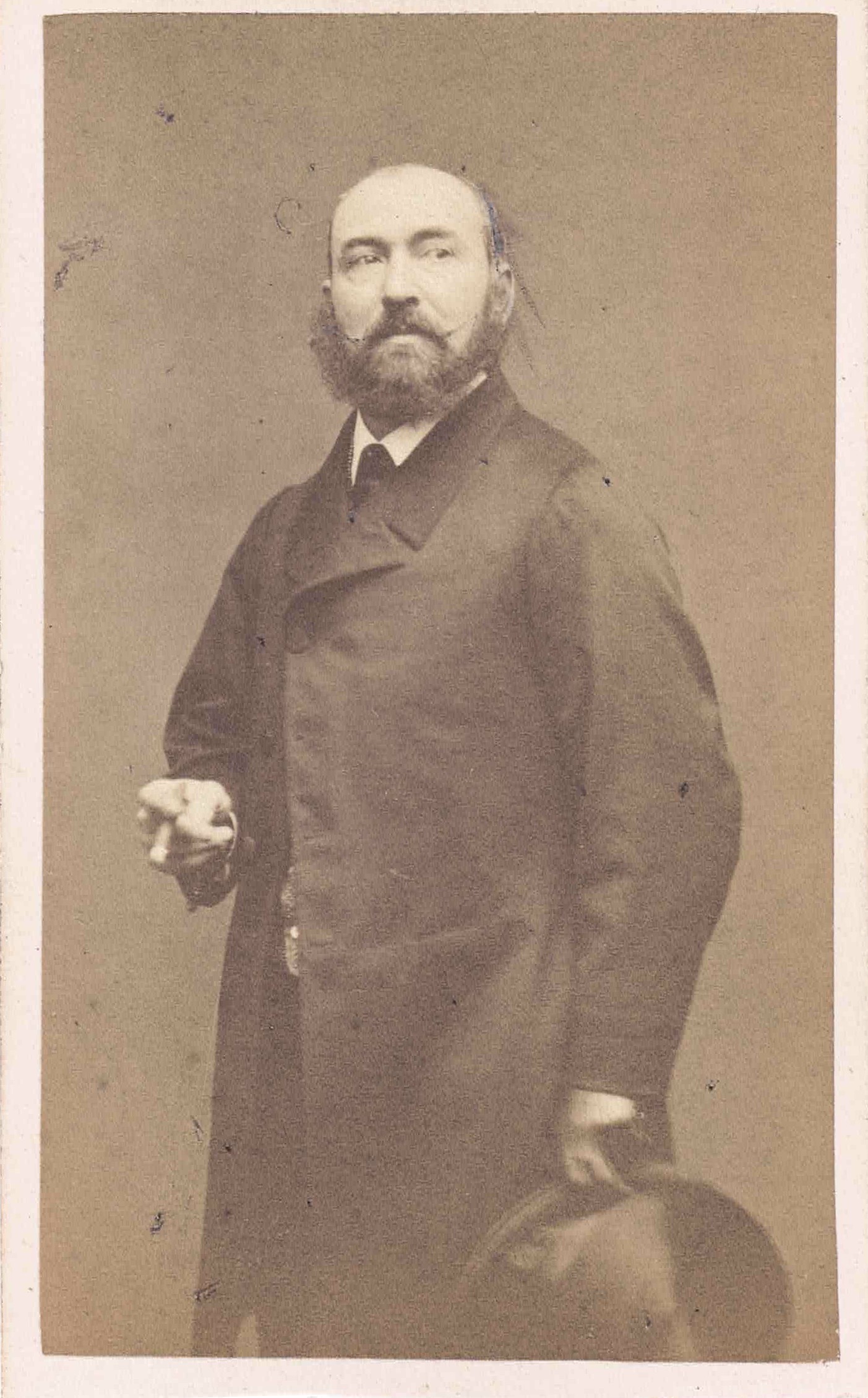
Théodore Frère_photo Carjat
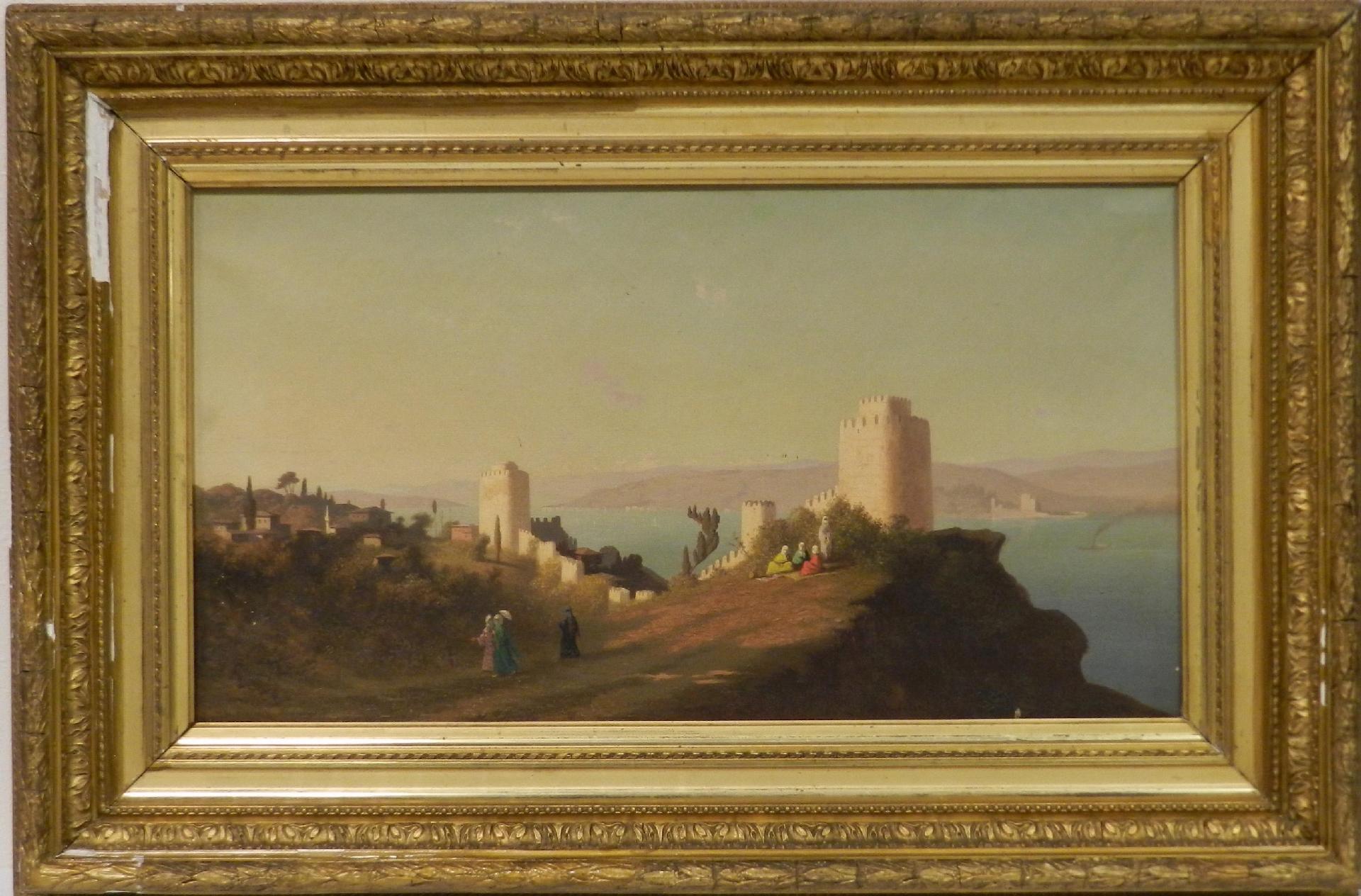
Rumeli-Hisar fortress
 Letter written in Ecouen
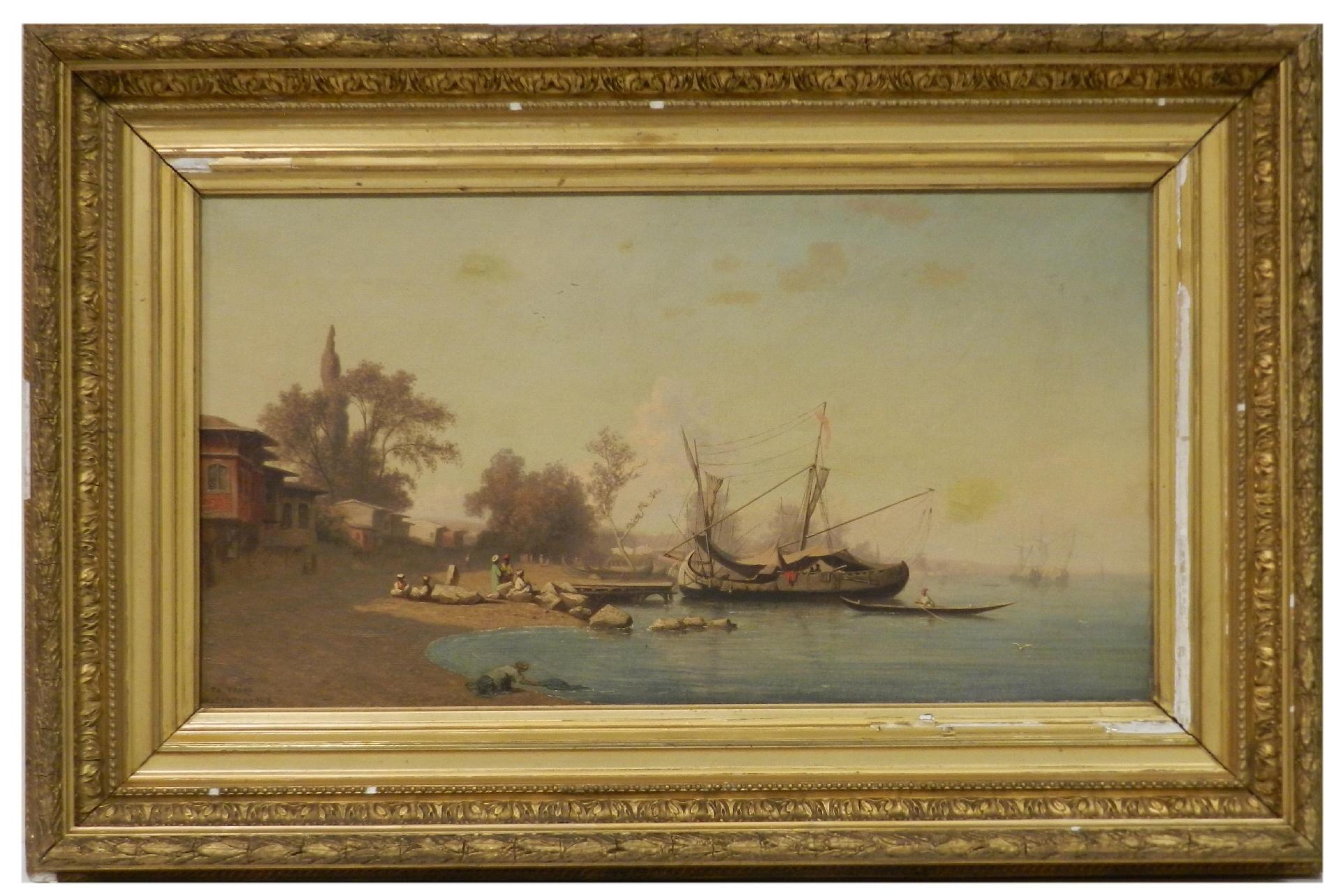
 Houses and boats in the Bosphore
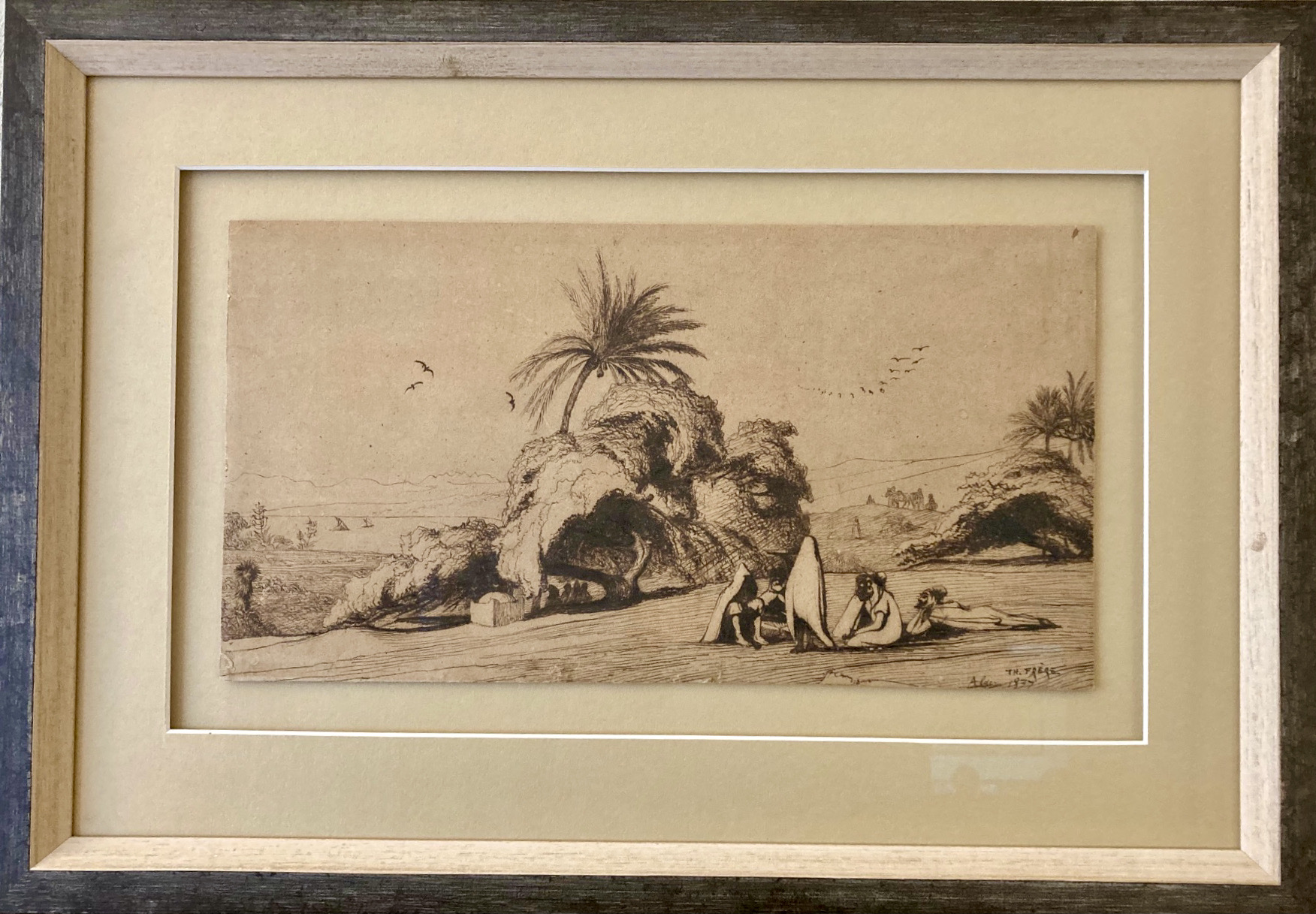
Arabs in Alger

Charles Théodore Frère

FRÈRE Charles Théodore, dit FRÈRE BEY (Paris, 21 juin 1814 – 24 mai 1888, Paris).

Frère aîné de Pierre Édouard, c’est l’un des plus grands peintres orientalistes de l’époque. Il séjourna à Écouen : dans une lettre de 1855, il dit résider dans la maison Soyer. En 1857, il écrit de la commune à Adolphe Beugniet, le marchand de tableaux. Il y peignit quelques œuvres de peinture de genre, avant d’habiter Montmorency (Val d’Oise), et de trouver sa voie artistique au Moyen-Orient.

Pour plus d’informations, nous vous invitons à lire le livre « L’Ecole d’Ecouen – une colonie de peintres au XIXe siècle »

Théodore Frère_photo Carjat
Maisons et embarcations sur le Bosphore
Lettre écrite à Ecouen
 Forteresse Humeli-Hisard de Constantinople
Arabes à Alger

Edouard Sain E

SAIN Edouard Alexandre
(Cluny, May 13th 1830 – July 27th 1910, Paris).

He is a genre painter. He was a student of François Édouard Picot. His presence in Écouen is noted at the beginning of his career, between 1850 and 1853, the year in which he exhibited for the first time at the Paris Salon.
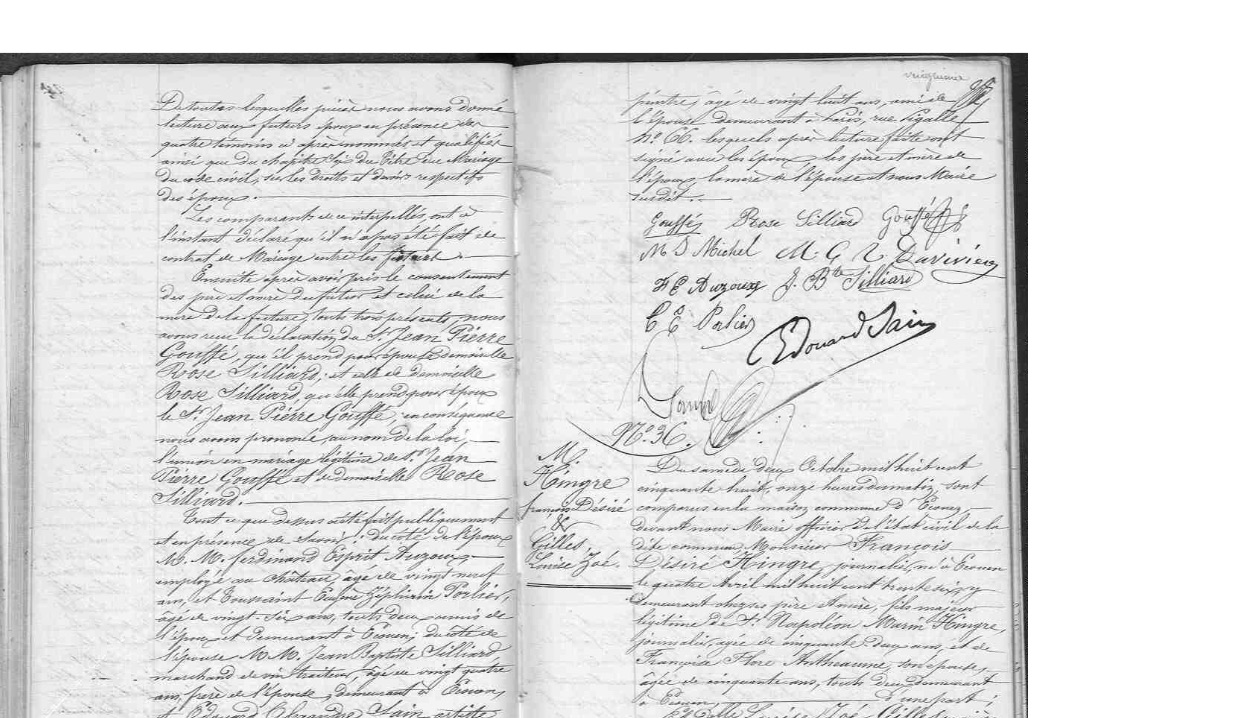
In 1858, he signed as a witness at the wedding of a man named Gouffé with Rose Silliard, whose friend he was, according to the Écouen civil status document. He painted several rustic scenes in the open air, in a very naturalistic style. A sale at Drouot on December 10, 1910 shows that eight paintings contain the name of the town of Écouen in their title.
I is probably during this stay that he treated an original subject, such as Léon Dansaert‘s Cabaret de Ramponneau aux Percherons.

For further information, please read the book “L’Ecole d’Ecouen, une colonie de peintres au XIXe siècle” (bilingual French-English).
Witness at a wedding
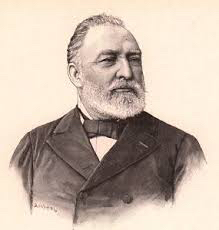
 Edouard Sain
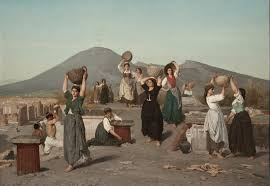
 Excavations in Pompey
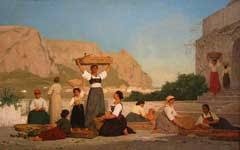
Title is unknown
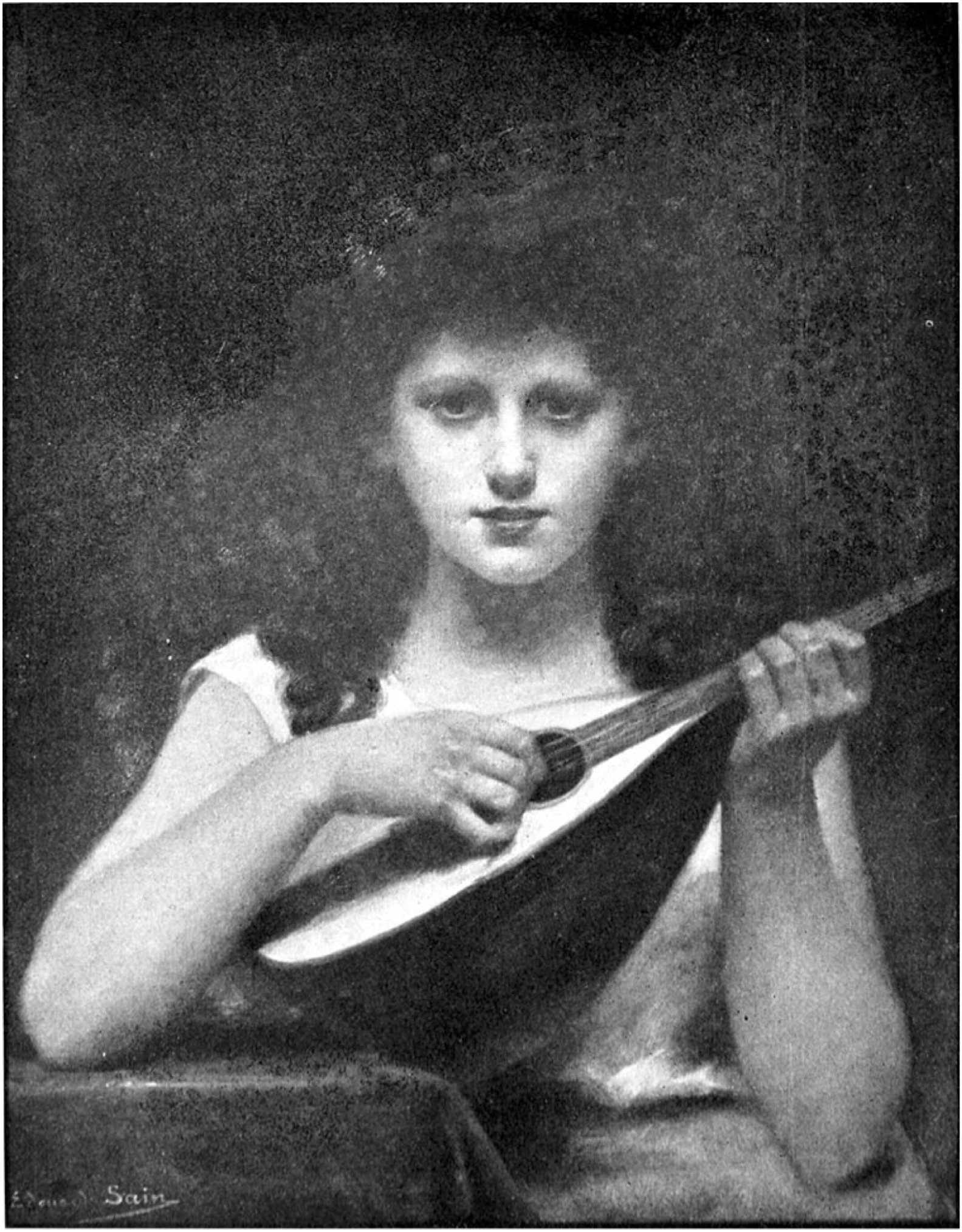
 Lady with mandolin