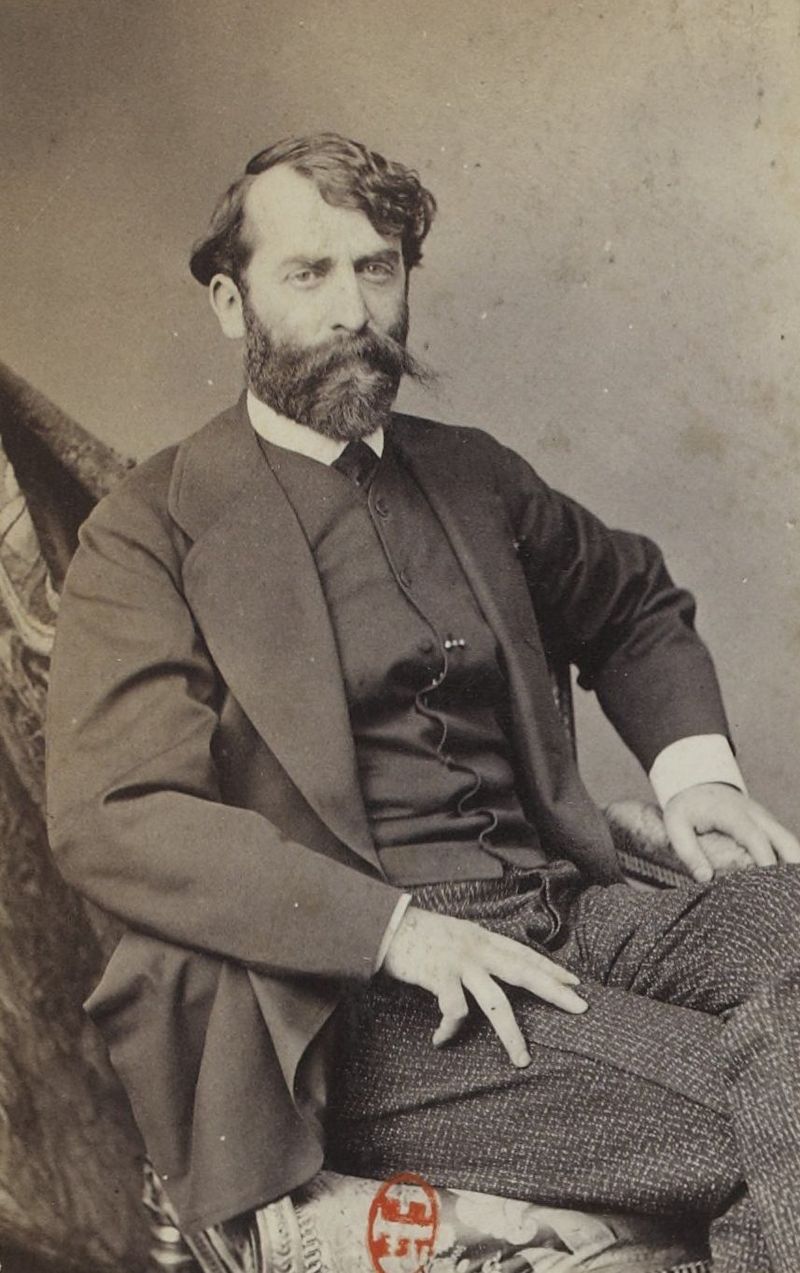
Edmond Eugene Valton-E

Paris, September 25th 1839 – September 1910, Paris

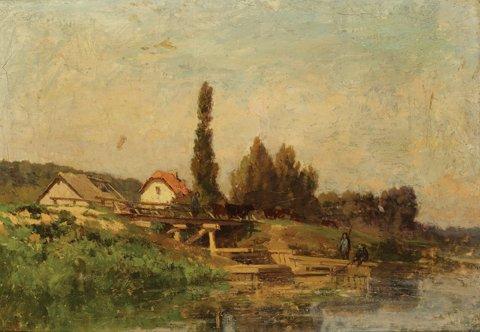
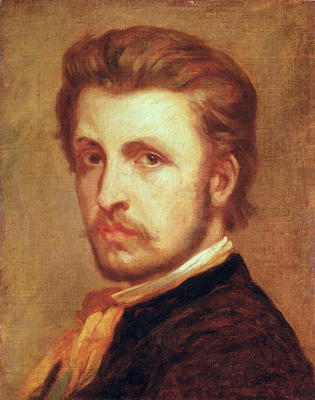
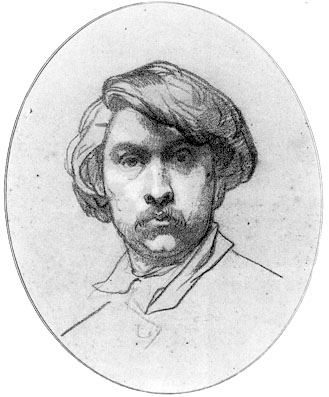
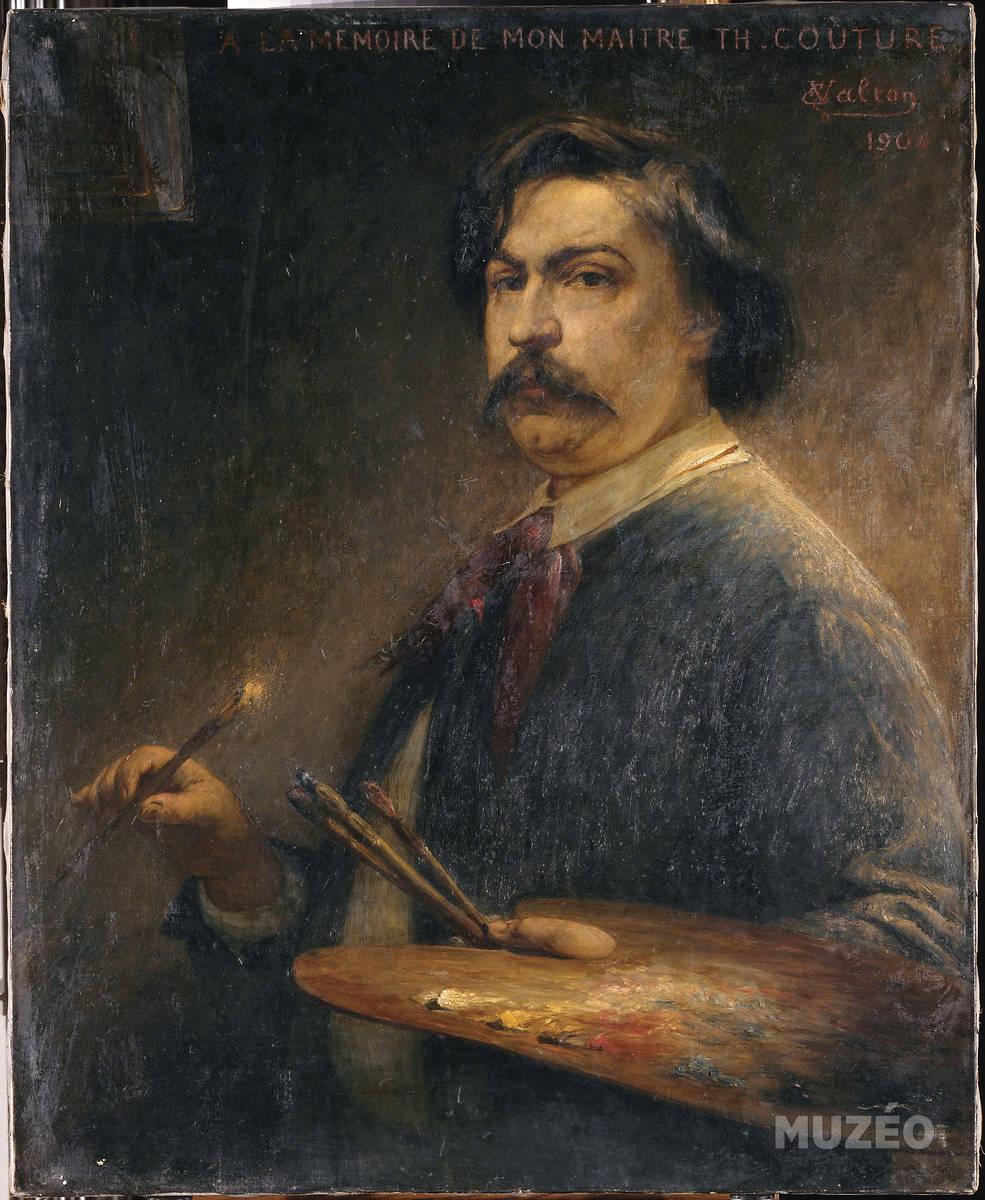
His master was Thomas Couture (1815-1879). The Musée d’Orsay has a portrait of this master painted by Valton. He frequented Ecouen for his business. Did he set up his easel there? Perhaps, but there is nothing to say that he settled there.
On November 29, 1892, Alphonse Eugène Butel, painter decorator and Edmond Eugène Valton, same profession, under the name of company Butel and Valton, borrowed 50 000 F to Charles Edouard Frère, on March 12, 1893, living in Paris. They founded the company Butel et Valton with the object of scenic painting and scenery for theaters. The two partners bring to the company the right to use for the entire duration of the lease granted to them by Mr. Robecchi, painter, decorator, of a large workshop and outbuildings in Paris, rue de Lauzun, for nine years from January 1, 1890, in return for a rent of 6,000 F per year.
In 1897, Valton asks Guilia, widow of Charles Edouard Frère, and his son Gabriel, to extend the obligation he has towards them, for the company Butel et Valton, until 1909. He still owes them 5 000 F.

For further information, please read the book “L’Ecole d’Ecouen, une colonie de peintres au XIXe siècle” (bilingual French-English).
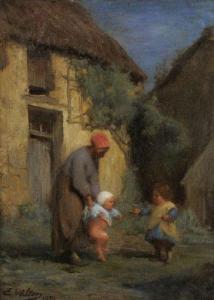
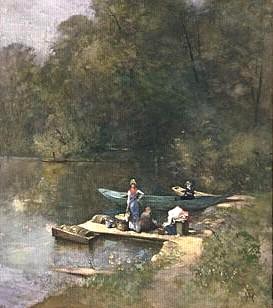
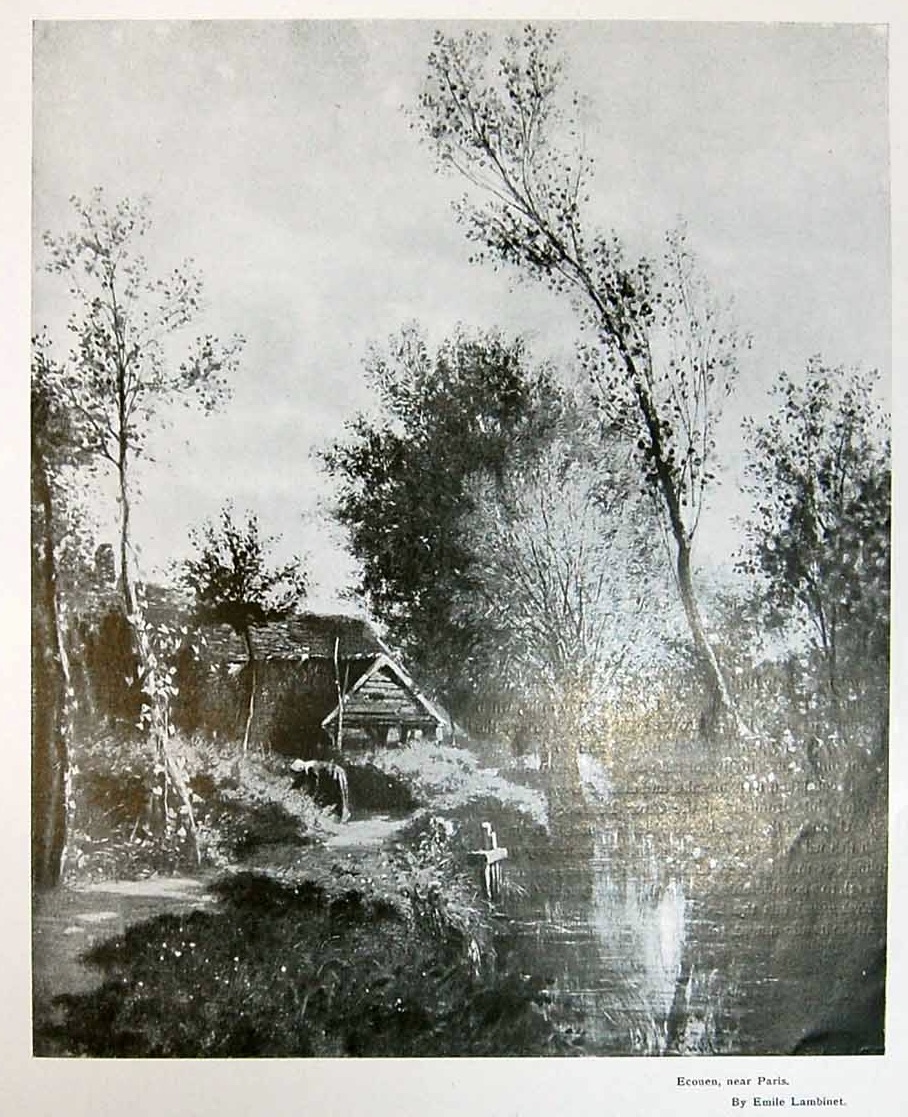
Jean Charles Emile Lambinet-E

Versailles, January 4th 1815 – December 13th 1877, Bougival

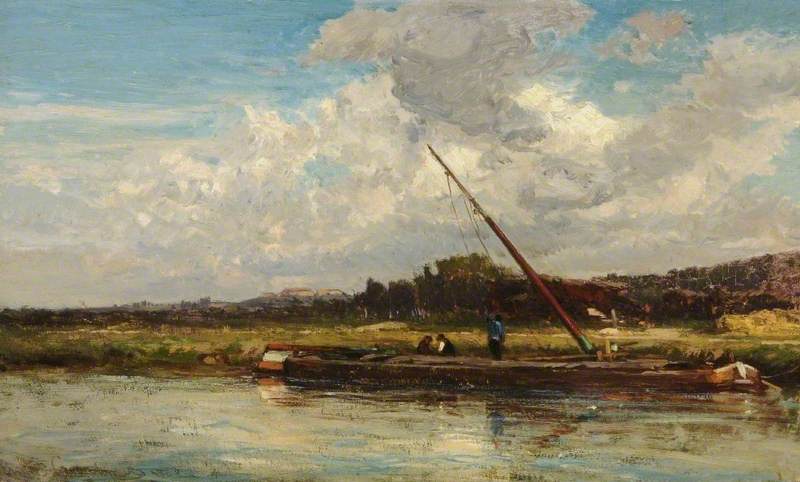
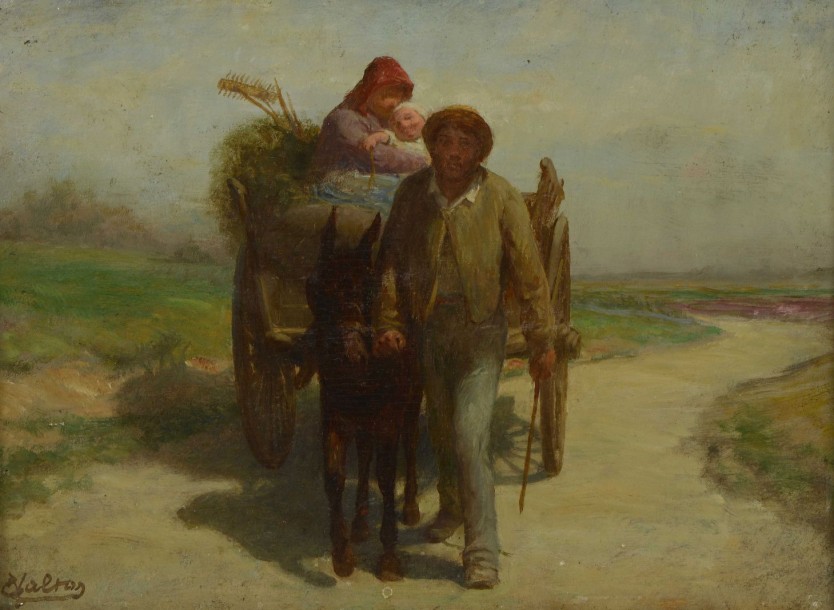
A student of Antoine Félix Boisselier (1790-1857), Horace Vernet (1789-1863) and Camille Corot (1796-1875), he spent most of his life in the Yvelines, first in Versaille, his native town, and then in Bougival from 1860. He attended the Ecouen School for some time. He painted with a refined taste, high and clear, brilliant lights in his landscapes. He participated in the Salon from 1833 to 1877 and received a 3rd class medal in 1843 and a 2nd class medal in 1853. He was awarded the Légion d’Honneur in 1867.

For further information, please read the book “L’Ecole d’Ecouen, une colonie de peintres au XIXe siècle” (bilingual French-English).
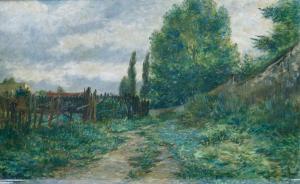
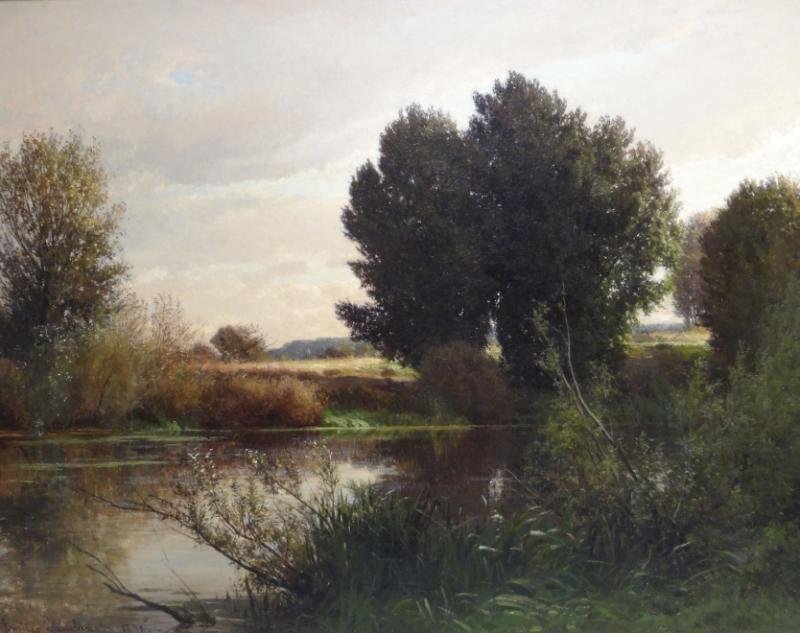
Landscape at Écouen

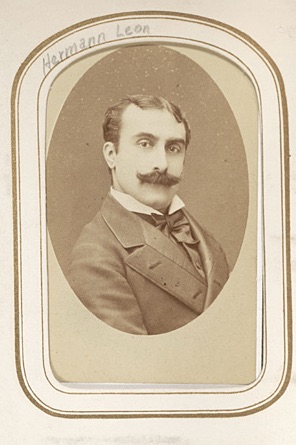
Leo-Herrmann (Léon Herrmann, said)

Paris, July 1st 1853 – 1927

Russian by origin, he had some problems to obtain his naturalization. We find his presence in Ecouen in the 1893 census.
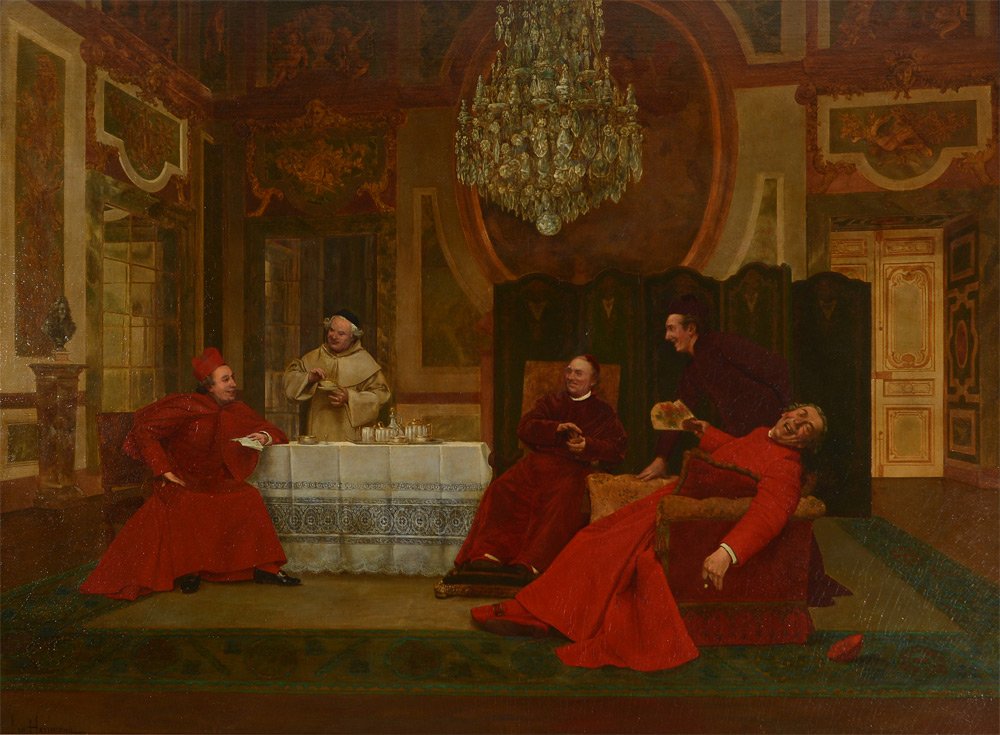
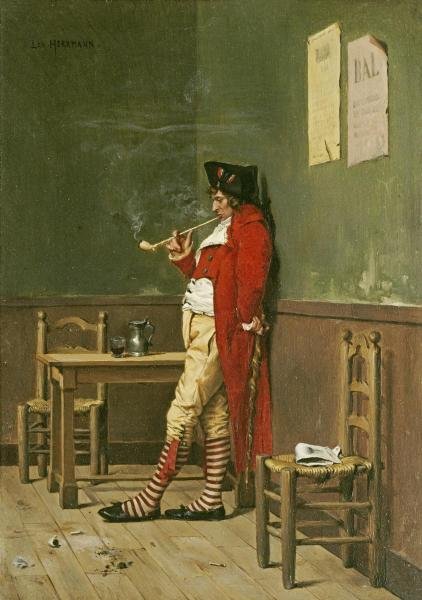
His two favorite subjects are religious figures, which he treats most often with a certain humor, and Incredibles of the early 19th century. He participated in the Paris salons of 1876, 1884 and 1895.
He lived in the villa Gabrielle in the rue de Paris, which Charles Edouard Frère rented to him verbally, according to the custom of the place, for 1,500 F per year. Not paying, he was evicted and condemned to pay his rents late.


For further information, please read the book “L’Ecole d’Ecouen, une colonie de peintres au XIXe siècle” (bilingual French-English).
A confidence

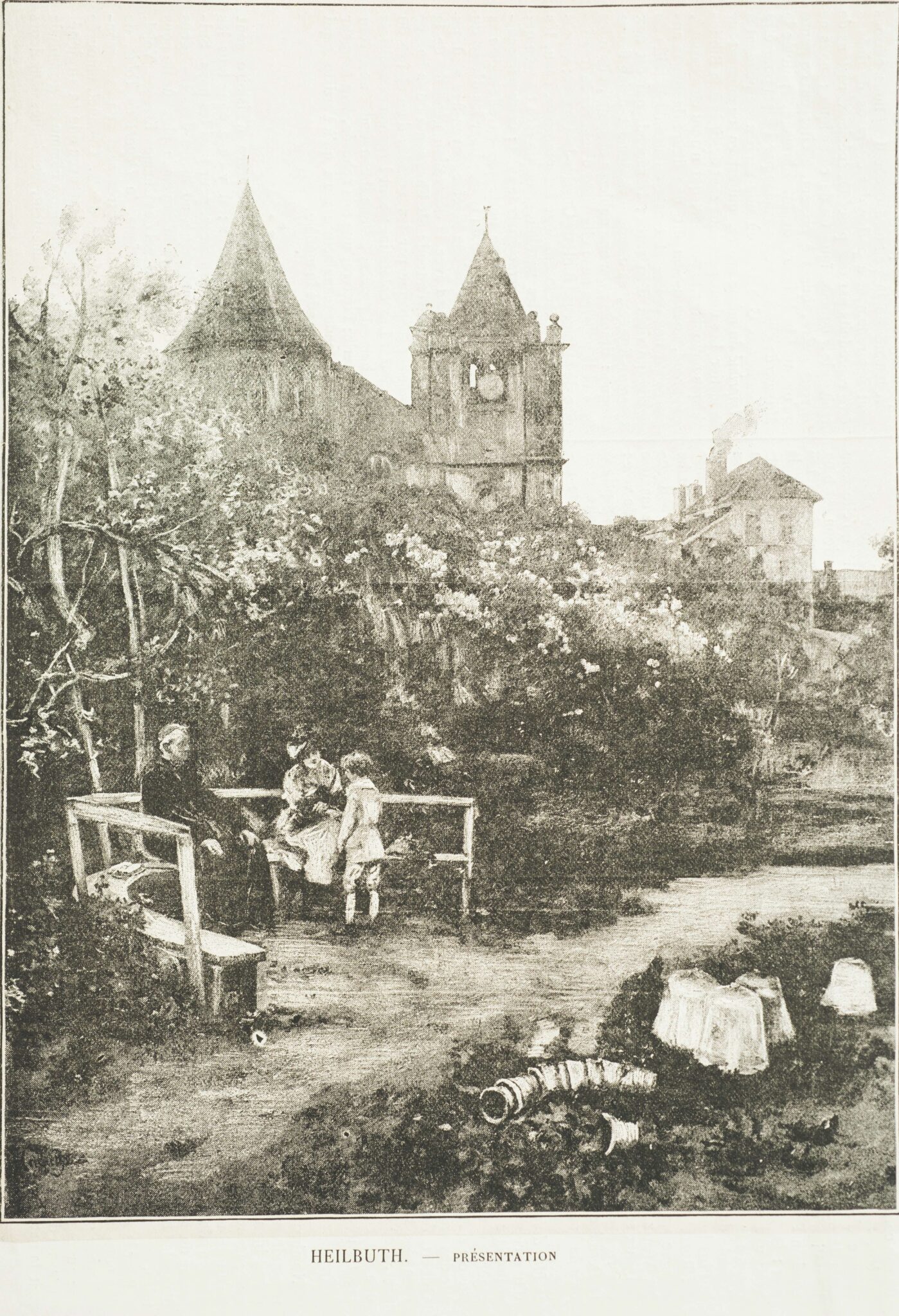
Ferdinand Heilbuth-E

Hamburg, June 27th 1826 – November 19th 1889, Paris

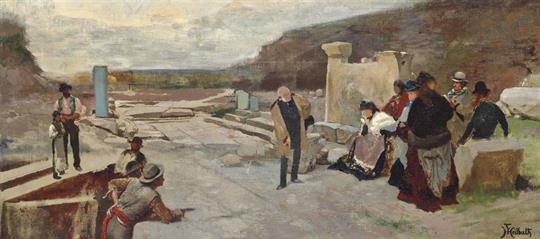
Ferdinand Heilbuth, a French painter of German origin, was born in Hamburg where he first studied theology to become a rabbi. He abandoned his studies to travel with Charles Gleyre (1806-1874) to Düsseldorf, Rome and finally Paris where he decided to settle. During the war of 1870, he took refuge in London.
Charles Gleyre, a Swiss painter and professor of Fine Arts, opened his own studio which was frequented by Claude Monet (1840-1926), Frédéric Bazille (1841-1870), Alfred Sisley (1839-1899) and many others. Heilbuth’s training was undoubtedly not only under the guidance of the master, but also through contact with these disciples, who were to become famous, thanks to these encounters, in particular those with Auguste Renoir (1841-1919) and Mary Cassatt (1843-1926).
Vincent Van Gogh (1853-1890), in a correspondence with Anthon Van Rappard (1858-1892), expressed his admiration for this artist. From 1853, he exhibited portraits at the Paris Salon and received a second class medal in 1857 and a recall in 1859 and 1861. His painting « L’Absolution du péché véniel » was acquired by the Empress Eugenie on April 30, 1865 for 10 000 F. He was named Knight of the Legion of Honor in 1861 and Officer on July 13, 1881. He obtained French nationality in 1876.
While visiting Ecouen, Ferdinand Heilbuth was often welcomed by his friend Luigi Chialiva (1841-1914).


For further information, please read the book “L’Ecole d’Ecouen, une colonie de peintres au XIXe siècle” (bilingual French-English).
In front of the Ecouen's church

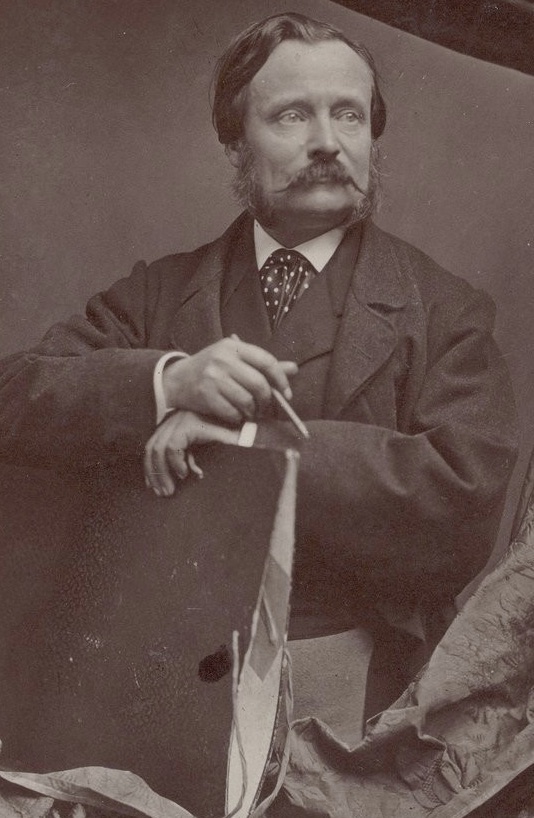
Thomas Couture-E

Senlis, December 21th 1815 – March 30th 1879, Villiers-le-Bel

When he was 11 years old, his family moved to Paris in 1826 where he studied at the Ecole des Arts et Métiers and then at the Ecole des Beaux-Arts. In 1830, he entered the studio of Antoine Gros (1771-1835) where, not very sure of himself, he drew a portrait on the sly of his master, which drew this comment from him: « But my little friend, you draw like an old academician ». He is, in fact, one of the most important portraitists of the 19th century. Then he attended the workshop of Paul Delaroche (1797-1856). He failed several times in the competition for the Prix de Rome but finally won the second prize in 1837.

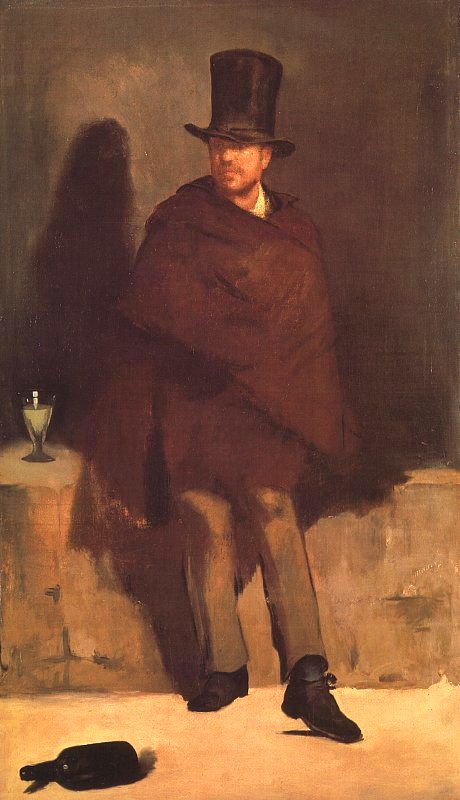
From 1840, he exhibited at the Paris Salon where he was awarded a medal in 1847 for « Romans of the Decadence« . On November 11, he was named Knight of the Legion of Honor. Throughout his life, he trained artists such as Edmond Eugène Valton (1836-1910), Pierre Puvis de Chavannes (1824-1898) or Edouard Manet (1832-1883) who, from the very first day, said: « I don’t know why I’m here; when I get to the studio, it seems to me that I’m entering a tomb ».
His fame spread to the United States where he exhibited in different cities.
Thomas Couture likes dark tones. Almost all of his models posed in black, brown or gray suits, which gave him the opportunity to demonstrate his virtuosity. The « Portrait of the Baroness d’Astier de la Vigerie« , recently acquired by the Senlis Museum, is an example of this. On July 8, 1869, he acquired the castle of Villiers-le-Bel, a property of 3.4 hectares, for 137,500 francs from the seizure chamber of the civil court. It was from this time on that he regularly visited the painters of Ecouen.
In 1872, Thomas Couture was killed. He no longer attracted the crowds. The world as a whole, and that of painting in particular, had changed. « The battle against realism was lost, impressionism and symbolism were coming ». With a last attempt at a coup d’éclat with « Damocles« , Couture retired for good.
He died in Villiers-le-Bel in his home called the Château. He was buried in Père-Lachaise.

For further information, please read the book “L’Ecole d’Ecouen, une colonie de peintres au XIXe siècle” (bilingual French-English).
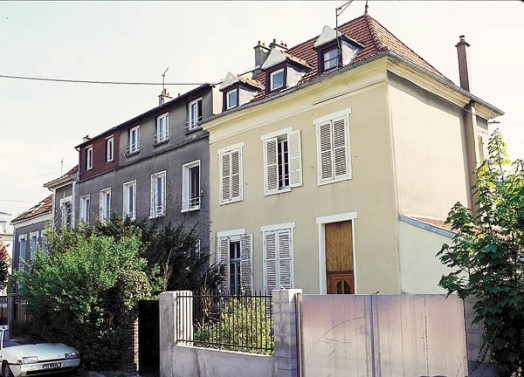
House of Thomas Couture in Villiers-le-bel